
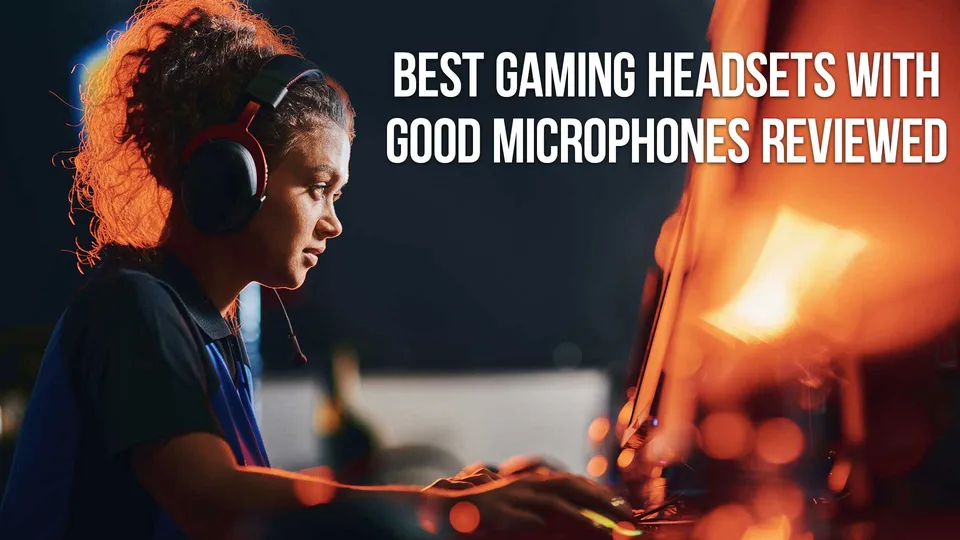
Quick answer: if microphone clarity is the priority, start with a real boom mic, a low-latency connection that matches your platform, and an easy return policy. My current spec-based shortlist is the Razer BlackShark V3 Pro, Corsair Virtuoso MAX, Turtle Beach Stealth 700 Gen 3, and Audeze Maxwell 2—but fit, room noise, console support, and mic processing can change the result.
Checked August 10, 2026. I verified current features with each manufacturer. I have not lab-tested every headset on this page, so I am treating this as a practical buying shortlist rather than pretending it is a scientific ranking.
A gaming headset microphone only has one job: make your voice easy to understand without making everyone else listen to your room.
I care more about intelligibility than labels such as “broadcast-grade.” A good boom position, sensible gain, a stable wireless link, and a microphone that does not pump or clip are more useful than a long feature list.
Disclosure: This guide includes sponsored affiliate links to older product listings retained from the original review. If you buy through them, I may earn a commission at no extra cost to you. Check the exact model, seller, return window, and platform compatibility before ordering.
Table of contents
- Quick answer
- Current shortlist
- Compatibility
- Comfort
- Microphone test
- Wired or wireless?
- Older models
- FAQ
- Bottom line
My current gaming-headset shortlist
These are the current models I would compare first based on official microphone, connection, and platform specifications. I would still record a voice sample and test comfort before the return window closes.
| Headset | Why it is on the shortlist | Watch for |
|---|---|---|
| Razer BlackShark V3 Pro | Detachable 12 mm unidirectional boom mic, low-latency 2.4 GHz, Bluetooth, USB, and platform-specific versions | Buy the correct PC, PlayStation, or Xbox version |
| Corsair Virtuoso MAX | Detachable omnidirectional mic, simultaneous 2.4 GHz and Bluetooth, and noise processing through NVIDIA Broadcast | NVIDIA noise reduction requires a compatible RTX GPU |
| Turtle Beach Stealth 700 Gen 3 | Flip-to-mute unidirectional mic, dual USB transmitters, simultaneous wireless and Bluetooth, and an advertised 80-hour battery | Choose the platform version carefully |
| Audeze Maxwell 2 | Detachable boom mic, high-bandwidth noise processing, planar drivers, USB-C wireless, Bluetooth, and wired options | It is heavy at a listed 560 grams and the Xbox/PlayStation versions differ |
I am not naming one universal winner because these solve different problems. For competitive PC play, I would start with the BlackShark. For console switching, I would compare the Stealth 700 and Astro families. For music and game audio as well as chat, Maxwell 2 deserves a look if the weight works for you.
Best Overall Gaming Headset: EPOS H3PRO Hybrid
Coolest Looking Gaming Headset: Turtle Beach Stealth 600 Gen 2 MAX
Budget Pick Gaming Headset: Sennheiser PC7 USB Headset

Choose the connection before the headset
The old idea that there are simply PC, console, and mobile headsets is no longer very useful. The important question is which connection and features work on your exact device.
- 2.4 GHz USB wireless: usually the practical choice for low-latency gaming. Confirm whether the transmitter is USB-A or USB-C and whether the specific version supports your console.
- Bluetooth: convenient for phones and calls, but not always the best primary game connection. Some headsets can mix Bluetooth with game audio; others only switch between them.
- 3.5 mm analog: simple and broadly compatible when the controller or computer supports a four-pole headset connection. Console chat controls and processing may be limited.
- USB wired: useful on computers and supported consoles, but device support varies.
- Base station or HDMI switching: helpful for a multi-console desk, but it adds cables, cost, and another compatibility check.
Xbox wireless support is a common trap. A PlayStation or PC version of the same-looking headset may not provide wireless audio on Xbox. Read the exact model page, not only the family name.
Comfort is part of microphone quality
If the clamp hurts or the earcups get hot, you will shift the headset around and move the mic with it. Weight on a spec sheet also does not tell the whole story; headband shape, pad depth, glasses, and how the weight is distributed matter just as much.
Wear the headset for at least an hour during the return window. Check the jaw, crown of the head, ears, and whether the boom stays where you put it.
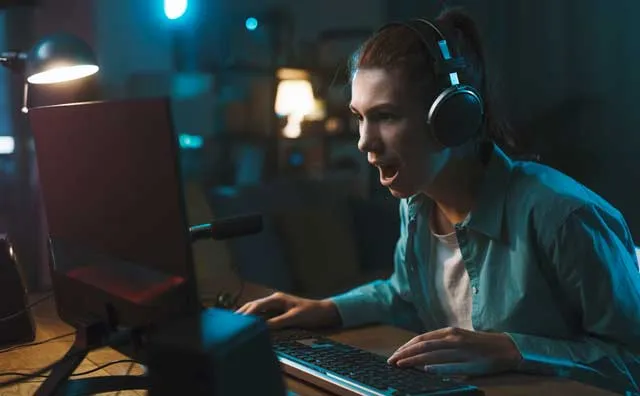
How I would test a gaming-headset microphone
- Turn off optional noise reduction and record ten seconds in your normal room.
- Place the boom one or two finger-widths from the corner of your mouth, not directly in front of it.
- Say quiet words, normal callouts, and one excited sentence.
- Turn on the headset's noise processing and repeat the recording.
- Listen for clipped consonants, pumping room noise, hiss, breath blasts, and a voice that becomes thin or robotic.
- Test the actual Discord, console-chat, or streaming input—not only the manufacturer's control app.
A unidirectional or hypercardioid boom can reject more room sound when positioned well. An omnidirectional mic may sound natural but can need more software help in a loud room. Neither label guarantees a good result.
Keep the input gain lower than you think. If teammates say the first syllable disappears, the noise gate is probably too aggressive. If keyboard noise is loud, move the mic closer to your mouth before adding more suppression.
Wired or wireless?
Wired is still the low-fuss option: no battery, no radio interference, and often lower cost. Wireless makes sense when movement and a clean desk matter, but I would use the manufacturer's low-latency USB connection for gaming and treat Bluetooth as a convenience feature unless the product specifically supports your workflow.
Older headset listings: what I would still consider
The following links and images come from the original review. I am keeping them for readers comparing a discount or replacement, but I would not assume an older model is the best buy just because it is available.
EPOS H3PRO Hybrid
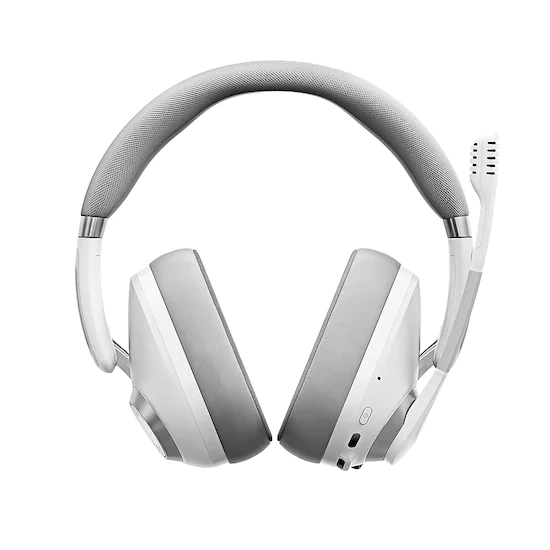
This is an older closed-back hybrid model with wireless and analog connection options. EPOS gaming hardware is no longer where I would start a fresh long-term ecosystem purchase, so I would only consider it at a clear discount with a solid return policy.
Check current EPOS H3PRO Hybrid availability
Corsair Virtuoso Wireless SE
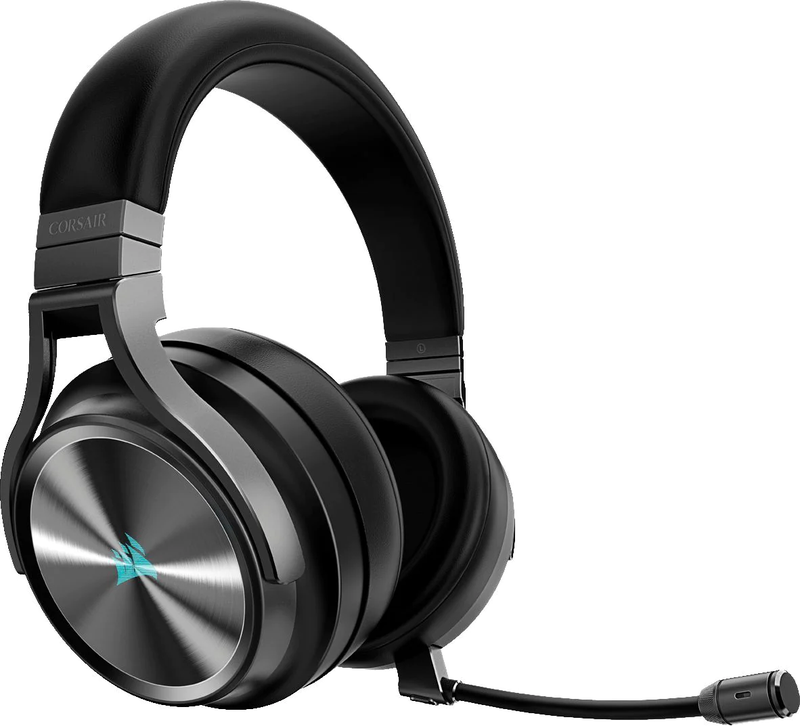
The original Virtuoso SE is the predecessor to Corsair's current MAX line. Its detachable boom and aluminum build can still make sense if the price is much lower than a newer model, but compare battery age, replacement pads, and current iCUE support.
Check current Corsair Virtuoso Wireless SE availability
Audio-Technica ATH-G1
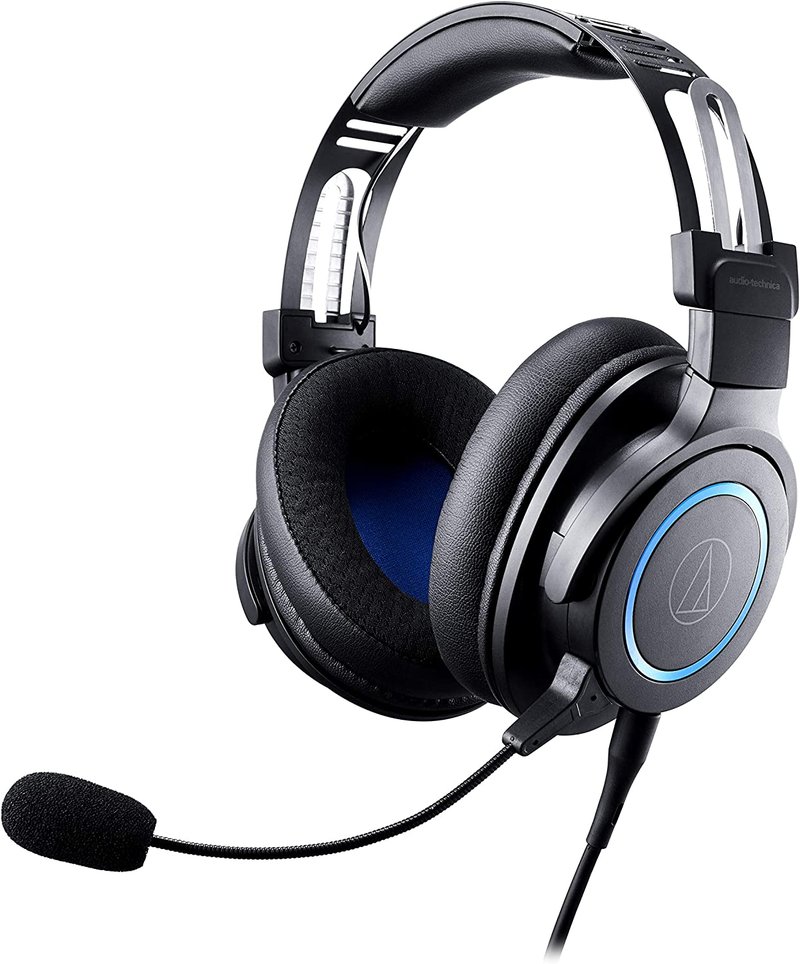
The ATH-G1 is a light wired analog headset with a detachable boom mic. Audio-Technica's manual lists it at 257 grams with the mic attached. It is the simplest option here if your device has the correct 3.5 mm headset connection.
Check current Audio-Technica ATH-G1 availability
Razer Barracuda X (2022)
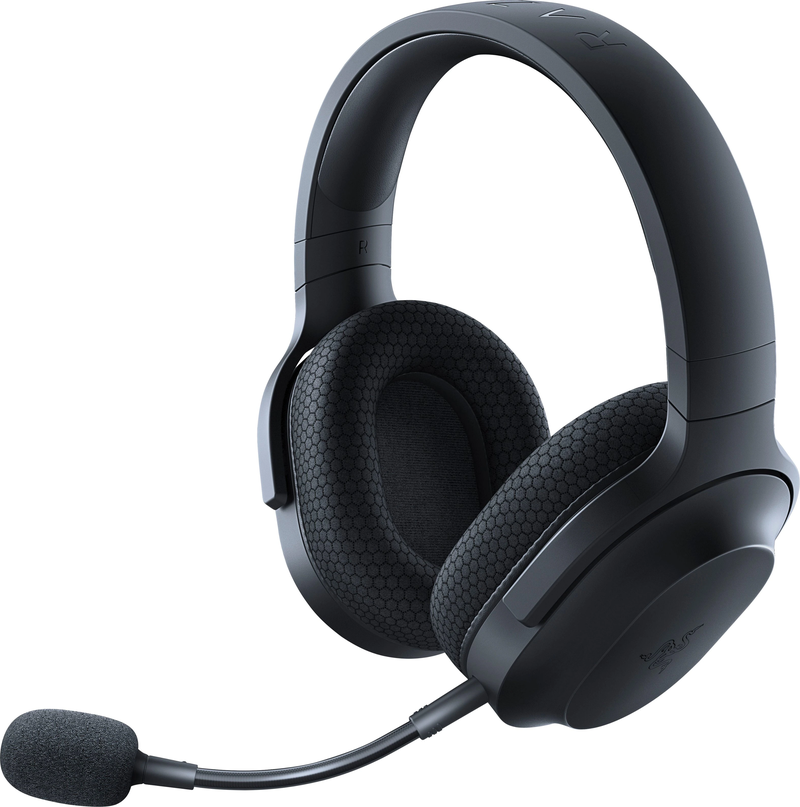
The 2022 Barracuda X remains documented in Razer's support system. It is a lighter, simpler multi-device alternative to the flagship BlackShark, but confirm that the included dongle and cables match every device you plan to use.
Check current Razer Barracuda X availability
Turtle Beach Stealth 700 Gen 2 MAX
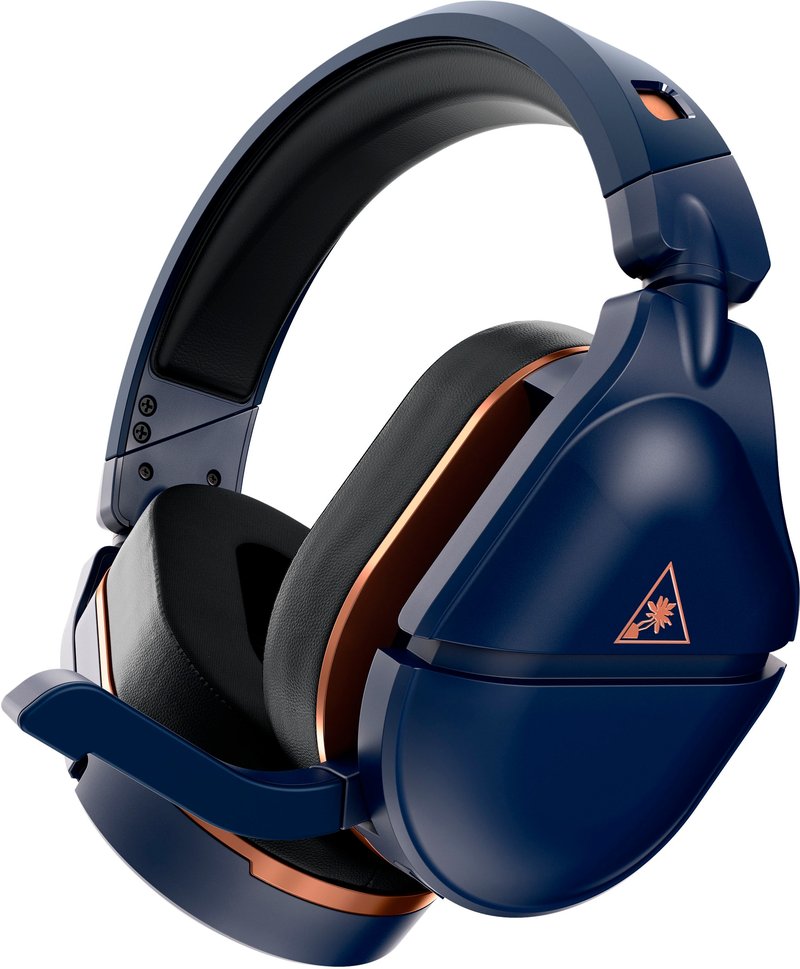
The original article mislabeled this tracked listing as the Stealth 600. The destination is for the older Stealth 700 Gen 2 MAX, so I have corrected the name. Compare it with the current Gen 3 model's platform switching, mic controls, battery claim, and return terms.
Check current Turtle Beach Stealth 700 Gen 2 MAX availability
Astro A40 TR with MixAmp Pro TR
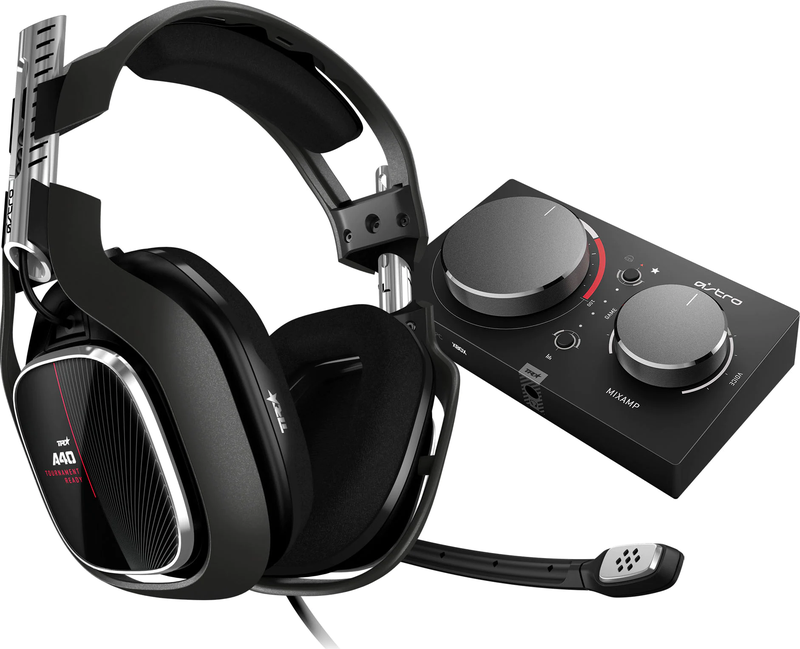
The wired A40 plus MixAmp remains interesting for a desk setup where physical game/chat control matters more than wireless freedom. Check the exact console version and cable requirements; this is not the same workflow as the newer A50 X base station.
Check current Astro A40 TR and MixAmp availability
Sennheiser PC 7 USB
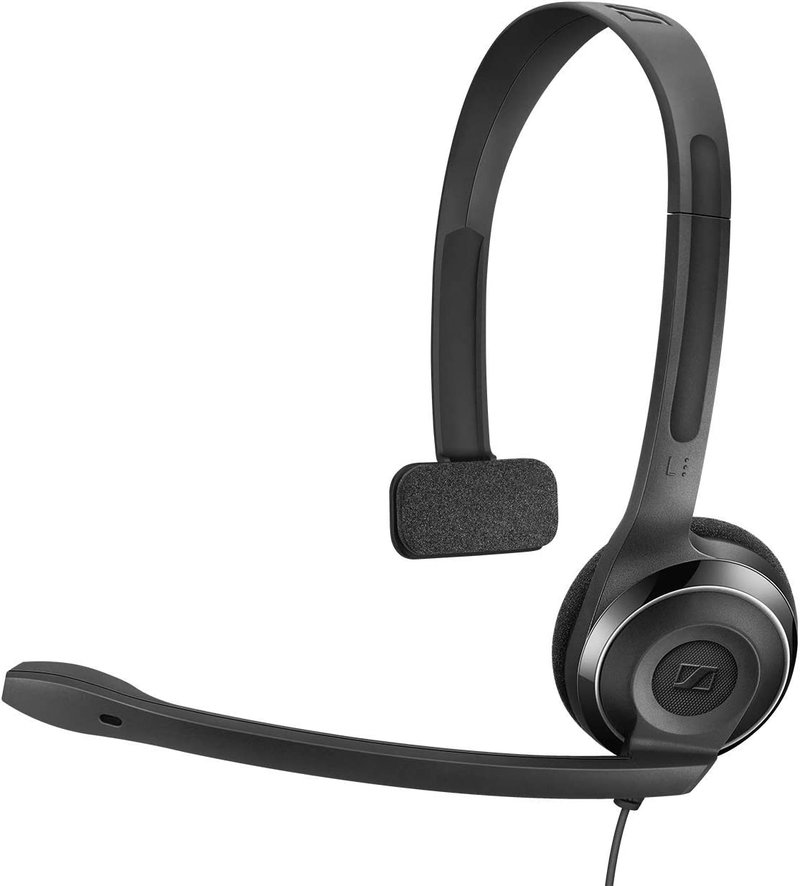
This is a mono USB call headset, not a modern gaming recommendation. I would use it only for basic voice chat where hearing the room through the uncovered ear is intentional. It is not the pick for immersive game audio.
Check current Sennheiser PC 7 USB availability
Gaming-headset microphone FAQ
What makes a gaming-headset microphone good?
Clear speech at normal volume, stable boom placement, controlled plosives, and enough background rejection for your room. A recording from your own setup is more useful than a marketing adjective.
Is a detachable boom mic better?
It is convenient and replaceable, but not automatically better. Position, capsule design, wireless processing, and software settings all affect the result.
Should I use Bluetooth for gaming?
Bluetooth is useful for phones and secondary audio. For the main game connection, I prefer the headset's low-latency USB wireless mode or a wired connection unless the device documents another low-latency option.
Why does my headset mic sound robotic?
Aggressive noise reduction, a weak wireless link, a low voice level, or too much input gain can cause artifacts. Move the mic closer, lower gain, disable processing, and add one feature back at a time.
Do I need a separate microphone for streaming?
Not necessarily. A good headset boom is often cleaner than a desk mic in a noisy room because it stays close to your mouth. A separate mic offers more control, but it also needs placement, room management, and monitoring.
How should I compare two headsets?
Use the same sentence, room, app, input level, and processing settings. Then compare comfort, voice clarity, keyboard rejection, mute controls, wireless stability, and the return policy.
My bottom line
Choose for your platform and room first. If your space is noisy, prioritize a close boom mic and controllable noise reduction. If you switch between consoles, prioritize connection hardware. If you also care about music, compare the headphone sound separately from the mic.
I would rather own a comfortable midrange headset with a predictable mic than an expensive one that needs constant software rescue.

About the Author
Joseph Nilo has been working professionally in all aspects of audio and video production for over twenty years. His day-to-day work finds him working as a video editor, 2D and 3D motion graphics designer, voiceover artist and audio engineer, and colorist for corporate projects and feature films.
Pro Audio Production Related Posts
Top 9 Condenser Microphones for Recording Voice and Vocals
Best Microphones For YouTube Videos
Best Gaming Headsets with Good Microphones
The Ultimate Guide to the Premiere Pro Essential Sound Panel
Best External Wired and Wireless Mics for iPhone
The Pros and Cons of Podcast Mixers
Best Audio Mixers for Podcasting
The 8 Best USB Audio Interfaces For Podcasters and Musicians
Table of contents
- Quick answer
- Current shortlist
- Compatibility
- Comfort
- Microphone test
- Wired or wireless?
- Older models
- FAQ
- Bottom line
Pro Audio Production Related Posts
Top 9 Condenser Microphones for Recording Voice and Vocals
Best Microphones For YouTube Videos
Best Gaming Headsets with Good Microphones
The Ultimate Guide to the Premiere Pro Essential Sound Panel
Best External Wired and Wireless Mics for iPhone
The Pros and Cons of Podcast Mixers
Best Audio Mixers for Podcasting
The 8 Best USB Audio Interfaces For Podcasters and Musicians