
Quick Answer
Plan note: If pricing is your main question, use my ElevenLabs pricing and plans guide alongside this review.
Updated July 15, 2026: ElevenLabs is one of the strongest AI voice tools I have used for scratch voiceover, multilingual narration, and practical localization experiments. It makes the most sense for creators, editors, and small teams that need fast voice generation or dubbing support, but it still needs human review before anything important ships to clients.
ElevenLabs buyer shortcut
- Use ElevenLabs for AI voiceover drafts, multilingual narration, and lighter dubbing/localization workflows.
- Use it carefully when pronunciation, product terminology, or brand tone really matter.
- Use a paid plan if the output will be used commercially.
- Use human talent or deeper audio post when the project is legally sensitive, brand-critical, or performance-heavy.
This page may include affiliate links.
I only recommend software I would seriously evaluate for real creator and client workflows.
If you want to try ElevenLabs, this link supports my work and helps keep these workflow guides updated. Check current ElevenLabs options.
Check Current ElevenLabs OptionsHow to read the evidence in this review
This review separates workflow observations from product facts. The workflow sections explain where the tool fits, where human review is still needed, and when another production path is safer. Plan, licensing, and product-status details should be checked against the dated official sources named in the article.
For audible evidence, the article points to the same-script voice-cloning comparison already published on this site. A written review cannot prove voice quality by itself, and this evidence note does not create a numeric score or a universal winner.
What ElevenCreative Is—and Where ElevenLabs Fits
ElevenLabs now groups its creator-facing tools under ElevenCreative: text to speech, voice cloning, Studio, dubbing, music, sound effects, and related audio/video workflows. ElevenAgents is the separate conversational-agent product, while ElevenAPI is the developer path.
This review focuses on ElevenCreative. In practice, it is useful when you need a strong voice layer quickly, want to test alternate narration, or need a faster path into localized versions of an existing video.
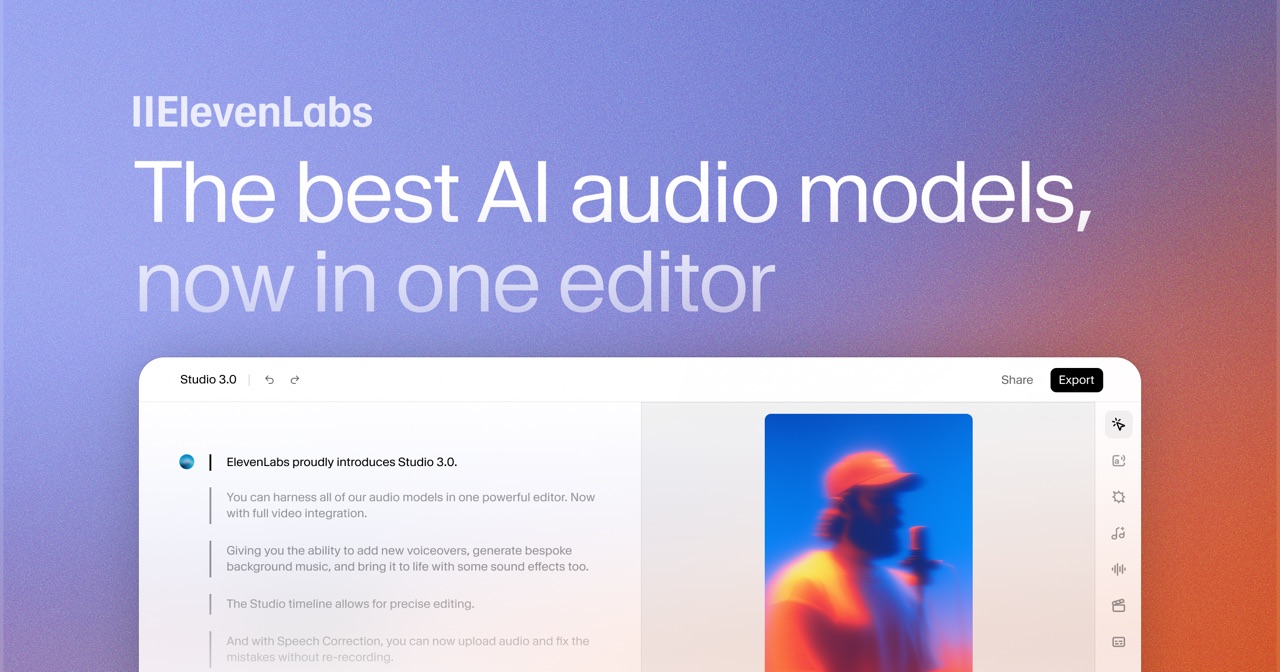
For me, the real value is not just novelty. It is speed inside a production workflow. You can move from translated script to usable voice layer much faster than a traditional record-from-scratch process, which is why I published a separate personal workflow page on how I use ElevenLabs to localize client videos.
| Use case | Why ElevenLabs fits | Where caution matters |
|---|---|---|
| Scratch voiceover | Fast way to test script flow, pacing, and narration options before paying for a final record. | Do not confuse a good scratch VO with a final brand-approved performance. |
| Localized narration | Useful for multilingual versions of tutorials, explainers, and training videos. | Translation nuance, pronunciation, and timing still need review. |
| Dubbing experiments | Good for exploring whether a video should go beyond captions into a dubbed version. | Talking-head and performance-heavy content needs stricter QA. |
| Creator narration | Helpful for YouTube tests, internal drafts, or repeatable short-form workflows. | Overuse can make content feel generic if the voice and script are weak. |
Hear the current voice models before you choose
A written review cannot prove voice quality. Open the official interactive text-to-speech demo, paste 30–60 seconds from a script you actually use, and listen for pacing, names, acronyms, and technical terms. If cloning is the reason you are considering a paid plan, also review the current voice-cloning options.
These are ElevenLabs-hosted demos. For first-hand evidence, read my same-script Instant vs Professional Voice Cloning test; Professional was the clear winner in the randomized blind listen.
Pricing and Plan Fit
As of July 15, 2026, ElevenLabs lists a Free plan, Starter at $6/month, a Creator tier shown with a promotion on the pricing page, Pro at $99/month, Scale at $299/month, and Business at $990/month. The exact display and promotions can change, so treat the pricing page as the source of truth before buying.
Starter is where the commercial conversation really begins because ElevenLabs currently lists a commercial license and Instant Voice Cloning there. Creator adds Professional Voice Cloning and more credits. Dubbing Studio may still appear in some plan materials, but the current documentation describes it as maintenance-mode access for existing customers. Higher tiers mainly make sense when generation volume, collaboration, voice count, or operational scale becomes the real bottleneck.
| Plan direction | Best for | Skip if |
|---|---|---|
| Free | Testing voice quality, interface fit, and early experiments. | You need commercial usage rights or clean non-watermarked dubbing output. |
| Starter / Creator | Creators, freelancers, and smaller teams using AI voice or localization in real workflows. | You need heavier collaboration, much larger credit pools, or many seats. |
| Pro / Scale / Business | Larger production, team, or operational use where credits, seats, and workflow scale matter. | Your usage is occasional and the lower tiers already cover the real job. |
Commercial Use and Licensing
This is the most important buying detail to get right. ElevenLabs states that content generated during a paid subscription can be used commercially and indefinitely. It also states that content generated outside of a paid subscription cannot be used commercially and requires attribution for non-commercial sharing.
That means the free tier is fine for evaluation, but not where I would base client-facing commercial output. ElevenLabs also warns that content generated using Beta Services cannot be used commercially, so if a specific feature is still covered by beta terms, check that before treating it as production-safe.
Dubbing and Localization
Updated July 15, 2026: ElevenLabs currently has three materially different dubbing paths. Choosing the right one matters more than treating “dubbing” as a single feature.
| Path | Best for | Important limit |
|---|---|---|
| Automatic dubbing | Fast self-serve translation and first-pass localized audio | Review translations, pronunciation, speaker assignment, and timing before delivery. |
| Dubbing Studio | Existing users who need clip-level transcript, translation, timing, and export controls | ElevenLabs says it is in maintenance mode: critical bug fixes only, with no new feature work planned. |
| Productions | Managed, human-edited dubbing for higher-stakes releases | Scope, pricing, and turnaround are handled as a service rather than a self-serve plan feature. |
Important: I would not choose a subscription mainly for Dubbing Studio now. The official Dubbing Studio documentation says existing customers keep access, but the product is no longer receiving new features. For new projects, compare automatic dubbing with the managed Productions dubbing service.
If your real interest is video localization rather than generic AI voice hype, the best companion read is my personal workflow article on how I use ElevenLabs to localize client videos.
Who Should Buy It
ElevenLabs makes the most sense for video creators, tutorial producers, YouTubers, freelancers, and small teams that need faster narration or multilingual output without building a full traditional dubbing pipeline for every job.
It is especially compelling when you already know you have one of these problems:
- You need a believable scratch narration layer quickly.
- You want to create localized review versions or training variants.
- You are testing whether captions are enough or whether the project needs real localized audio.
- You need a better AI voice option than the flat, obviously synthetic tools you tried earlier.
I would be more cautious for high-stakes legal, medical, executive, or brand-sensitive projects where a weak pronunciation or tone miss creates real downside.
Alternatives
ElevenLabs is not the only useful tool in this space. Descript is often better when transcript-first editing matters as much as voice generation. A more Adobe-centered workflow may push you toward Premiere Pro transcription plus other Creative Cloud tools before you even add AI voice. And for some client work, the right alternative is still a human voice actor, a translator, and a real audio post pass.
If you want the broader adjacent tool context, see my older roundup on AI tools used in video production. If your main use case is creator narration, tutorials, or faceless explainer workflows, I also published a dedicated guide to ElevenLabs for YouTube voiceovers.
FAQ
Is ElevenLabs good for commercial work?
Yes, but only if you are using the right plan and feature terms. ElevenLabs says content generated during a paid subscription can be used commercially and indefinitely, while free-plan output cannot be used commercially.
Is ElevenLabs good for dubbing?
It is one of the more interesting current options for dubbing and multilingual voice workflows, especially for lighter production and review use cases. It still needs human review before important client delivery.
Which ElevenLabs plan is best for most creators?
For many individual creators and freelancers, the practical choice starts around Starter or Creator rather than the free plan, because commercial use and cleaner real-world workflow features matter more than unlimited experimentation.
Should I use ElevenLabs instead of a human voice actor?
Not automatically. ElevenLabs is strongest when speed, testing, localization, or repeatable workflow matters. Human talent is still the better call for higher-stakes performance and brand-sensitive work.