

Updated May 2026
Quick Answer
The best Mac-compatible monitor is the one that matches your scaling, port, and color needs. For the cleanest Apple experience, choose Studio Display. For a better value creator setup, look at a 27-inch or 32-inch 4K USB-C display from BenQ, Dell, or ASUS.
If you edit video or design for clients, prioritize color accuracy and USB-C/Thunderbolt workflow before refresh rate or gaming features.
Best Mac-Compatible Monitors in 2026
Macs work with plenty of third-party monitors, but not every monitor feels equally good in macOS.
The best picks have sharp text, clean USB-C or Thunderbolt connectivity, predictable color, and enough power delivery for a MacBook without a pile of extra cables.
Disclosure: As an Amazon Associate, I earn from qualifying purchases. The links below are sponsored affiliate links at no extra cost to you.
Apple Studio Display
Best Apple-native display
27-inch 5K Retina, excellent macOS scaling, P3 color, integrated camera/mics/speakers, and Thunderbolt connectivity. It is expensive, but it is the cleanest Mac experience.
BenQ PD3225U
Best 32-inch creator monitor
A 32-inch 4K designer display with Thunderbolt 3, strong color workflow features, and a Mac-focused positioning for designers and video editors.
Dell UltraSharp U2723QE
Best USB-C hub monitor
A 27-inch 4K USB-C hub display that makes sense for MacBook users who want one cable, Ethernet, USB ports, and a cleaner desk setup.
ASUS ProArt PA279CRV
Best value 4K creator monitor
A 27-inch 4K ProArt display with USB-C power delivery and broad color-gamut specs. It is a practical pick when Studio Display pricing is too high.
| Monitor | Best For | Why it fits Mac users | Link |
|---|---|---|---|
| Apple Studio Display | Best Apple-native display | 27-inch 5K Retina, excellent macOS scaling, P3 color, integrated camera/mics/speakers, and Thunderbolt connectivity. It is expensive, but it is the cleanest Mac experience. | Check current price |
| BenQ PD3225U | Best 32-inch creator monitor | A 32-inch 4K designer display with Thunderbolt 3, strong color workflow features, and a Mac-focused positioning for designers and video editors. | Check current price |
| Dell UltraSharp U2723QE | Best USB-C hub monitor | A 27-inch 4K USB-C hub display that makes sense for MacBook users who want one cable, Ethernet, USB ports, and a cleaner desk setup. | Check current price |
| ASUS ProArt PA279CRV | Best value 4K creator monitor | A 27-inch 4K ProArt display with USB-C power delivery and broad color-gamut specs. It is a practical pick when Studio Display pricing is too high. | Check current price |
| Apple Pro Display XDR | Best for high-end HDR reference work | Overkill for most creators, but still relevant when HDR finishing, reference modes, and Apple ecosystem consistency matter more than price. | Check current price |
Specs were checked against Apple, BenQ, Dell, and ASUS product pages in May 2026. Retail pricing changes often, so use the links as current-price checks rather than fixed-price claims.
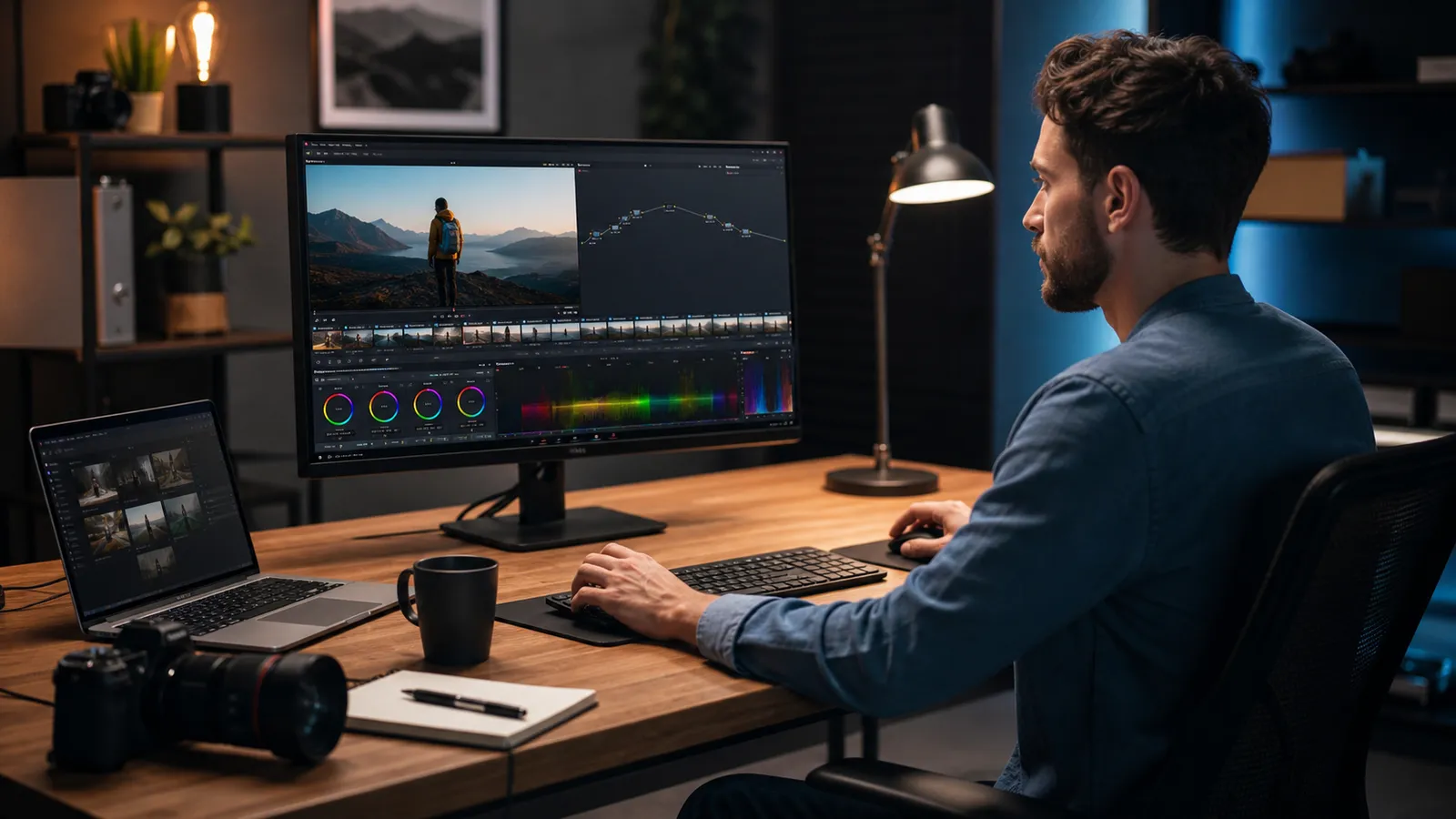
How to Choose a Monitor for Mac
Start with your main job.
A writer, developer, editor, colorist, and casual MacBook user do not need the same display.
Design And Photo
Prioritize P3 or Adobe RGB coverage, calibration controls, uniformity, and a size that lets you work without UI clutter.
Office And Writing
Prioritize text sharpness, one-cable USB-C, ergonomic adjustment, and a hub that keeps your desk clean.
Video Editing
Prioritize color accuracy, brightness, HDR needs, and enough screen space for timelines, scopes, and bins.
Do not buy only from a spec sheet. macOS scaling can make two monitors with similar specs feel very different in daily use.
Resolution and macOS Scaling
Apple's own displays are attractive because they match macOS scaling expectations cleanly.
A 27-inch 5K display gives you crisp Retina-style text with comfortable workspace. A 27-inch 4K monitor is usually a better value, but it may require a scaled mode that is slightly less perfect.
For most MacBook owners, a 27-inch 4K USB-C display is still the practical sweet spot. For designers who stare at text and UI all day, Studio Display's 5K panel is easier to justify.
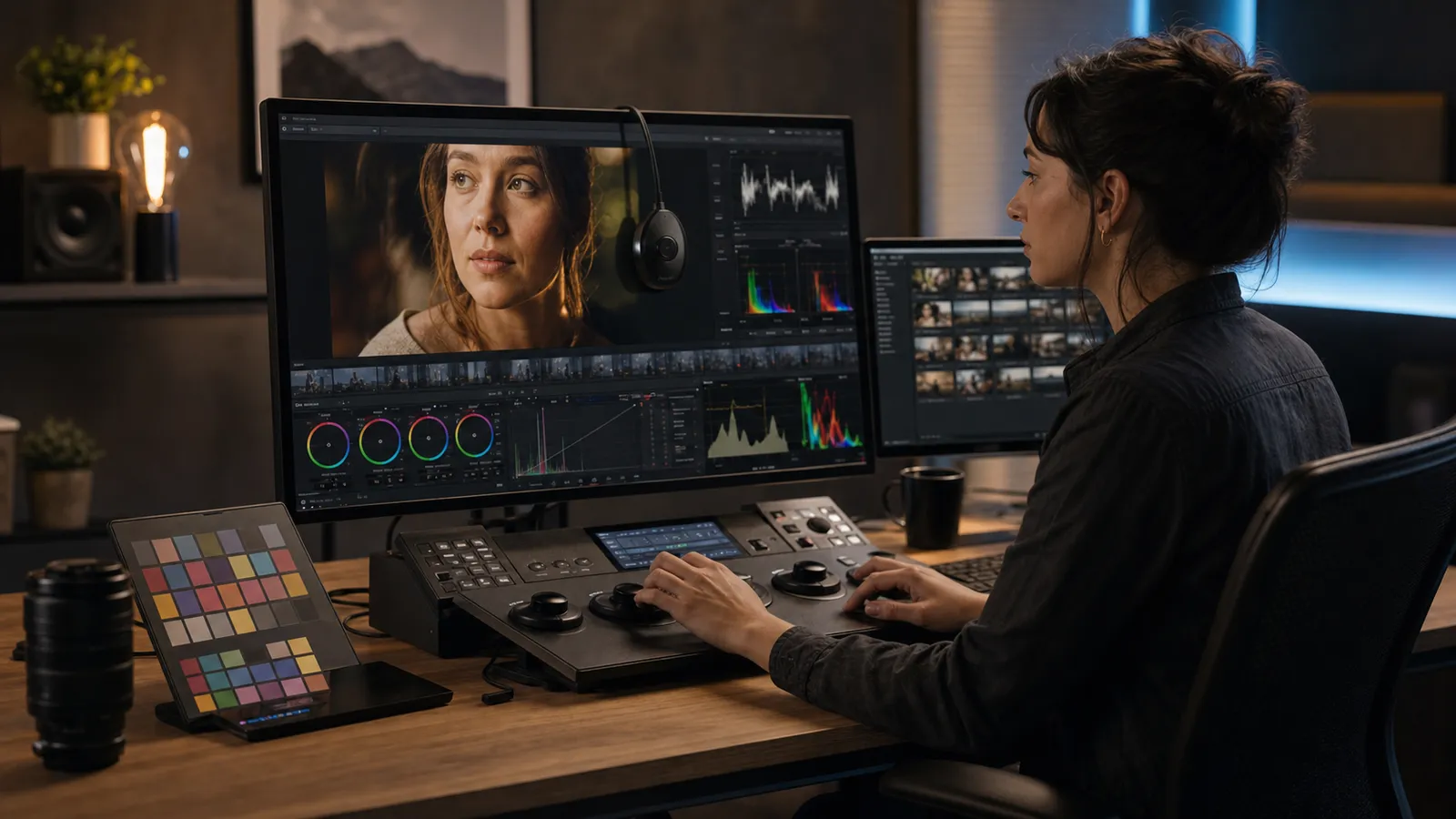
USB-C, Thunderbolt, and Desk Setup
If you use a MacBook, one-cable docking is a major quality-of-life upgrade.
Look for USB-C or Thunderbolt input, enough power delivery for your MacBook, downstream USB ports, and ideally Ethernet if you work from a fixed desk.
Thunderbolt is useful for high-bandwidth accessories and daisy chaining. USB-C is usually enough for a single 4K display plus basic peripherals.
My Recommendation
If you want the most Apple-like experience and do not mind the price, buy Studio Display.
If you want better value, I would start with a 27-inch 4K USB-C monitor such as the Dell UltraSharp U2723QE or ASUS ProArt PA279CRV.
If you edit video or design professionally and want more screen space, compare 32-inch creator displays like the BenQ PD3225U.
For editing-focused setups, also read my guide to the best Macs for video editing and the HDR monitor checklist for video editors.
FAQ
Can any monitor work with a Mac?
Most modern HDMI, DisplayPort, USB-C, or Thunderbolt monitors can work with a Mac. The bigger question is whether scaling, color, charging, and wake-from-sleep behavior feel good in daily use.
Is a 4K monitor good for MacBook Pro?
Yes. A 27-inch 4K USB-C display is the practical value pick for many MacBook Pro owners, even though Apple's 5K scaling looks cleaner.
Is Studio Display worth it?
Studio Display is worth it if you care about 5K text sharpness, Apple integration, camera, speakers, mics, and a very clean single-cable setup. It is not the best value if you only need a second screen.
Do I need Thunderbolt for a Mac monitor?
No. USB-C is enough for many single-monitor setups. Thunderbolt becomes more useful for high-end displays, fast accessories, daisy chaining, and cleaner professional desks.

About the Author
Joseph Nilo has been working professionally in all aspects of audio and video production for over twenty years. His day-to-day work finds him working as a video editor, 2D and 3D motion graphics designer, voiceover artist and audio engineer, and colorist for corporate projects and feature films.