
Updated May 2026
Quick Answer
The best microphone for most YouTubers is a dynamic USB/XLR mic like the Shure MV7+. It handles normal rooms better than many cheap condensers, plugs directly into a computer, and can grow into an XLR setup later.
If you film away from a desk, start with a wireless lav kit like DJI Mic 2 or an on-camera shotgun like the Rode VideoMic NTG instead.
Affiliate disclosure: This page contains affiliate links. I may earn a commission if you buy through them, at no extra cost to you.
Best Microphones for YouTube Videos
For YouTube, the right microphone depends less on brand hype and more on how you shoot.
A desk voiceover channel, a talking-head studio, a run-and-gun vlog, and a two-person interview all need different tools.
Shure MV7+
Best desk mic for most YouTubers
Dynamic USB-C/XLR microphone with creator-friendly processing, useful when you record voiceovers, tutorials, podcasts, or talking-head videos in a normal room.
Audio-Technica AT2020USB-X
Best simple USB condenser
A cleaner plug-and-play choice for creators recording at a desk in a treated or fairly quiet room.
Blue Yeti / Logitech Yeti
Best familiar beginner USB mic
Still useful if you want easy setup, multiple pickup patterns, and a mic many beginner creators already understand.
DJI Mic 2
Best wireless kit for creators on camera
A strong fit for talking-head videos, shorts, interviews, and mobile creator work where cable-free recording matters.
| Mic | Best For | Why it fits | Affiliate link |
|---|---|---|---|
| Shure MV7+ | Best desk mic for most YouTubers | Dynamic USB-C/XLR microphone with creator-friendly processing, useful when you record voiceovers, tutorials, podcasts, or talking-head videos in a normal room. | Check on Amazon |
| Audio-Technica AT2020USB-X | Best simple USB condenser | A cleaner plug-and-play choice for creators recording at a desk in a treated or fairly quiet room. | Check on Amazon |
| Blue Yeti / Logitech Yeti | Best familiar beginner USB mic | Still useful if you want easy setup, multiple pickup patterns, and a mic many beginner creators already understand. | Check on Amazon |
| DJI Mic 2 | Best wireless kit for creators on camera | A strong fit for talking-head videos, shorts, interviews, and mobile creator work where cable-free recording matters. | Check on Amazon |
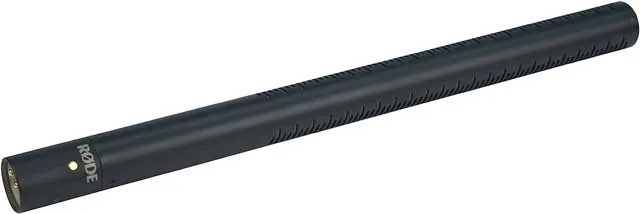
| Rode VideoMic NTG | Best camera shotgun pick | A flexible on-camera shotgun that can also work over USB, useful for camera-facing YouTube videos and lightweight voiceover setups. | Check on Amazon |
| Rode SmartLav+ | Best budget lavalier | A simple lav option for phone-based recording, backup dialogue, or creators who need a small wearable mic. | Check on Amazon |
| Shure SM7B | Best pro XLR voice mic | A classic broadcast-style dynamic microphone, but only worth it if you already have or plan to buy an audio interface and proper gain staging. | Check on Amazon |
Product positioning checked against official Shure, DJI, Rode, and Audio-Technica product information in May 2026. Amazon pricing and availability change frequently.
How to Choose the Right Microphone Type
Start with your filming style, not the product name.
If you record voiceovers at a desk, a dynamic USB/XLR mic is usually the safest first buy. It rejects more room noise than a sensitive condenser and can still sound polished when placed close to your mouth.
Desk Voiceover
Use a dynamic USB/XLR microphone on a boom arm. Keep it close, slightly off-axis, and record in the quietest part of the room.
Camera Talking Head
Use a wireless lav or shotgun. Prioritize consistent distance from the speaker over a mic that looks impressive on camera.
Vlogs And Interviews
Use wireless lavs when people move. Use a shotgun when the camera position is stable and you can keep the mic aimed correctly.
Condenser USB mics can sound detailed, but they also hear the room. If you have hard walls, keyboard noise, fan noise, or street noise, a dynamic mic is usually more forgiving.
USB vs XLR for YouTube
USB is the right answer for most beginners because it removes the audio interface from the buying decision.
XLR is better when you are building a more permanent studio, using multiple microphones, or want a dedicated interface/mixer workflow.
Hybrid USB/XLR microphones are useful because you can start simple and upgrade later without replacing the mic.
What Else You Need for Better YouTube Audio
The microphone is only part of the chain. Placement, room noise, and monitoring matter just as much.
For desk videos, buy a boom arm or sturdy desk stand before you buy extra plug-ins. Getting the mic close to your voice is the biggest improvement.
For camera videos, use wind protection outdoors and record a short test clip before filming the whole video.
- Boom arm or stand: keeps the mic close and stable.
- Pop filter or foam windscreen: controls plosives and breath noise.
- Closed-back headphones: helps you catch buzz, clipping, and room noise before recording too much.
- Backup audio: useful for interviews, weddings, events, and client work.
My Recommendation
If you are starting a YouTube channel from a desk, buy one good dynamic USB/XLR microphone, a boom arm, and headphones before you worry about studio lighting-level audio gear.
For most people, that means starting with something like the Shure MV7+.
If your videos are mostly camera-facing, a wireless kit such as DJI Mic 2 will solve more real production problems than a beautiful desk mic that stays out of frame.
For broader creator setups, pair this guide with my recommendations for the best Mac screen recorders and best Macs for video editing.
FAQ
What microphone should a beginner YouTuber buy?
Most beginners should buy a USB microphone or a hybrid USB/XLR dynamic microphone. It is easier to set up and more forgiving in normal rooms.
Is a lavalier microphone better than a USB microphone?
A lavalier is better when the speaker is on camera or moving. A USB desk microphone is better for voiceovers, tutorials, podcasts, and screen recordings.
Do I need an audio interface for YouTube?
No, not if you use USB. You need an audio interface when you choose an XLR-only microphone or want multiple studio microphones connected at once.
What matters more: microphone or room treatment?
Both matter, but placement and room noise often decide the result. A good microphone placed too far away in a reflective room will still sound amateur.

About the Author
Joseph Nilo has been working professionally in all aspects of audio and video production for over twenty years. His day-to-day work finds him working as a video editor, 2D and 3D motion graphics designer, voiceover artist and audio engineer, and colorist for corporate projects and feature films.