
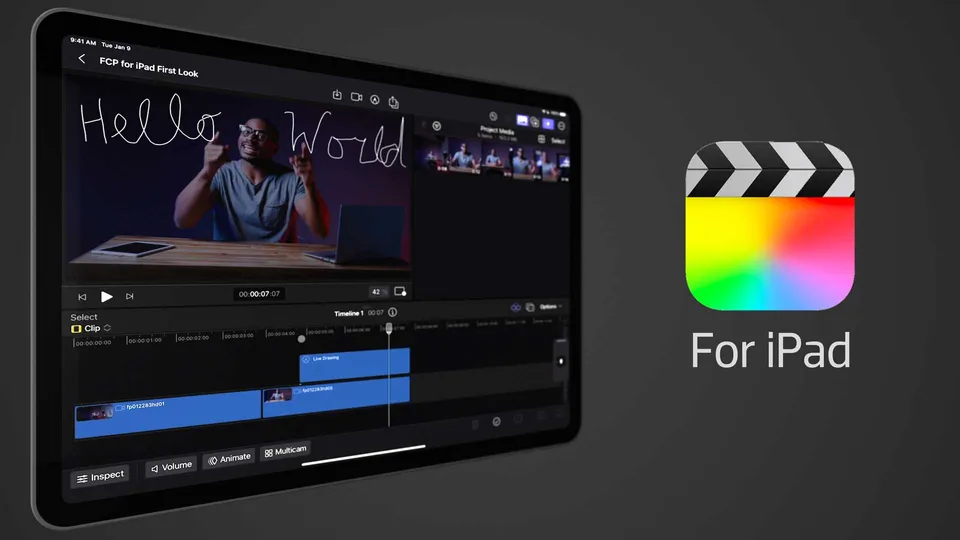
This Final Cut Pro for iPad first look has been updated from a launch-era reaction into a current workflow review. The short version: it is useful when you want a fast touch-first edit, but it is not automatically the best place to finish every project.
Quick Answer
Updated June 2, 2026: Final Cut Pro for iPad is worth trying if you edit short videos, social clips, travel footage, school projects, or rough cuts away from a desk. It is less convincing if you rely on Mac plug-ins, large external drives, detailed color/audio finishing, or a repeatable client review workflow.
Best fit
Use it for: touch-first editing, Apple Pencil interaction, selects, rough cuts, social video, and mobile review work.
Skip it for now if: your projects depend on desktop storage, third-party effects, complex delivery specs, or a Mac-based finishing setup.
For the broader buying context, read the updated Final Cut Pro for iPad current features and workflow guide. For beginners, start with How to Learn Final Cut Pro.
Watch the First Look
This page began as a first-look video for the FxFactory YouTube channel. The video is still useful as a hands-on walkthrough, while the text below has been refreshed for current Apple pages and a more cautious workflow decision.
What Still Holds Up
The strongest part of Final Cut Pro for iPad is still the directness. Touch, Apple Pencil, and a smaller focused workspace make the app feel different from a Mac timeline, not just a compressed version of one.
That matters for reviewing footage, sketching over clips, trimming short edits, and quickly assembling a story while you are away from your main desk.
The iPad interface is most persuasive when the project is short and the deliverable is clear. It is much easier to judge the app with a two-minute project than with a full client job and a pile of mixed media.
The Price Question
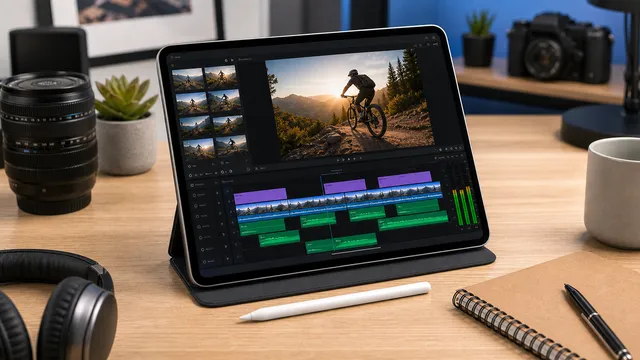
The original version of this article repeated launch-era monthly and annual pricing. That is risky now because Apple has changed how it presents Final Cut Pro across the current Final Cut Pro and Apple Creator Studio pages.
Use Apple's current pages as the source of truth before buying. The useful buying question is not only the number on the checkout page, but whether you need iPad editing, Mac editing, or the larger creator-app bundle.
If you are a student or educator, compare the current Apple Creator Studio education offer against the standalone Final Cut Pro path in the Final Cut Pro student discount guide.
Who Should Use It
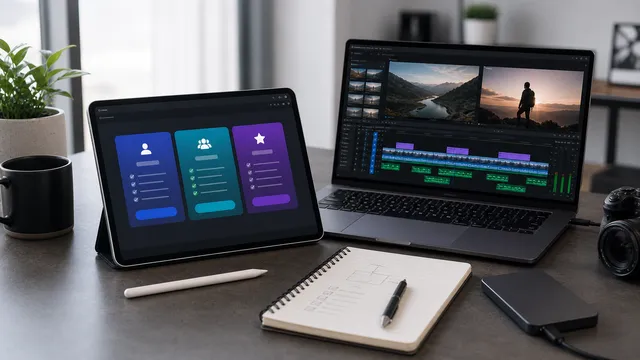
Final Cut Pro for iPad fits mobile-first creators who already shoot and publish quickly. If you are making Shorts, Reels, small YouTube pieces, school videos, event recaps, or field edits, the iPad workflow can be practical.
It also makes sense as a rough-cut tool. You can organize ideas, make selects, assemble a first pass, and then decide whether the project needs to move to a Mac for finishing.
It is not the obvious choice for every Final Cut Pro user. Long-form editors, plug-in-heavy editors, and people with large storage workflows should test carefully before changing a reliable Mac setup.
Workflow Limits
The main limitation is not that the iPad version is bad. It is that iPad editing creates different tradeoffs: smaller screen, different file handling, different accessories, and a different relationship to Mac-only tools.
Before you use it for paid work, test storage, export options, captions, color handling, project handoff, and whether your normal delivery process survives the move.
If you shoot iPhone HDR footage, review the iPhone HDR Final Cut Pro workflow before delivering. A fast edit still needs a correct color and export path.
Use iPad or Mac?
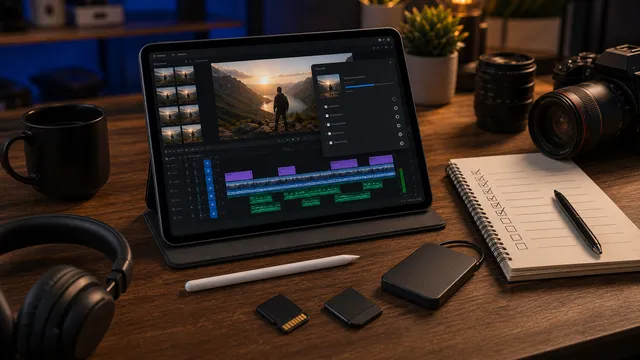
Use the iPad when speed and portability matter. Use the Mac when the project has more moving parts: client notes, plug-ins, larger libraries, external displays, audio cleanup, color finishing, or repeated exports.
The best workflow may use both. Start a short project on iPad, then finish on Mac when the job needs a more controlled setup.
If you are comparing platforms more broadly, the Final Cut Pro vs Premiere Pro guide and Premiere Pro vs Final Cut Pro for YouTubers comparison are better next reads.
Sources Checked
This refresh checked Apple's current Final Cut Pro for iPad page, the Apple Creator Studio page, Apple's Final Cut Pro for iPad Creator Studio guide, and Apple's Final Cut Pro ecosystem page.
Final Cut Pro for iPad First Look FAQ
Is Final Cut Pro for iPad worth it?
It is worth trying if you edit short videos, social content, mobile projects, or rough cuts. It is less compelling if your workflow depends on Mac-only plug-ins, large storage, or detailed finishing.
How much does Final Cut Pro for iPad cost?
Check Apple's current Final Cut Pro and Apple Creator Studio pages before buying. The old launch-era pricing line should not be treated as permanent current pricing.
Can Final Cut Pro for iPad replace the Mac version?
For some short-form creators, yes. For long-form, client, plug-in-heavy, or storage-heavy work, the Mac version is still the safer finishing environment.
Who is Final Cut Pro for iPad best for?
It is best for mobile creators, students, social video editors, travel projects, field selects, and anyone who wants a touch-first editing surface.
What should I test before using it professionally?
Test media import, storage, export quality, captions, color handling, project transfer, and any tools you normally use to deliver paid work.
About the Author
Joseph Nilo is a video editor, motion designer, and creator-focused educator who works across Final Cut Pro, Premiere Pro, After Effects, and production workflows for creators and businesses.