
I’d start with iMovie. It’s free, it’s easy to learn, and it can handle a lot more than people give it credit for. Move to Final Cut Pro when a real project gives you a reason—not because “pro” is in the name.
For quick family videos, school projects, simple YouTube edits, and social clips, iMovie is usually enough. Final Cut Pro earns its keep when you edit regularly or manage a lot of footage. It also pays off when you work with several cameras, need better color and audio, or deliver several versions.
Updated July 29, 2026. I checked Apple’s current apps, pricing, system requirements, and release notes. Prices and requirements can change, so use the Apple links below before buying.
iMovie vs Final Cut Pro at a glance
| Question | iMovie | Final Cut Pro |
|---|---|---|
| Best for | Quick, simple edits. | Regular, complex, or paid work. |
| Price | Free. | $299.99 for Mac, or included with Creator Studio. |
| Devices | Mac, iPhone, and iPad. | Mac and compatible iPads. |
| Learning curve | Gentle. | More tools, but a familiar editing model. |
| Media organization | Basic project and event tools. | Libraries, events, keywords, favorites, and Smart Collections. |
| Advanced work | Basic color, audio, titles, and effects. | Multicam, roles, captions, deeper color and audio, plugins, and pro delivery. |
| Upgrade path | Open an iMovie project in Final Cut Pro when you’re ready. | |
Start with iMovie if it already does the job
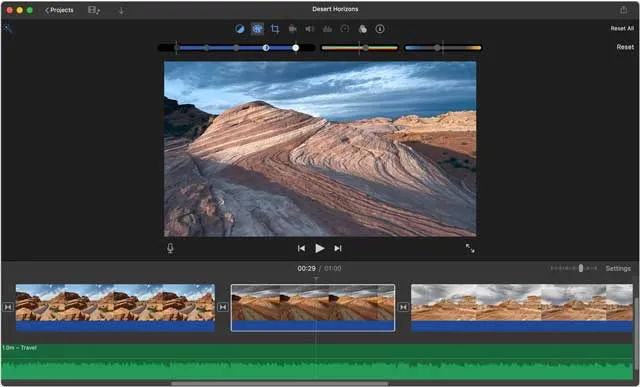
There is no prize for using the more expensive app. iMovie keeps simple edits pleasantly simple. You can trim clips, add music, record a voiceover, drop in a title, and export one finished video without much setup.
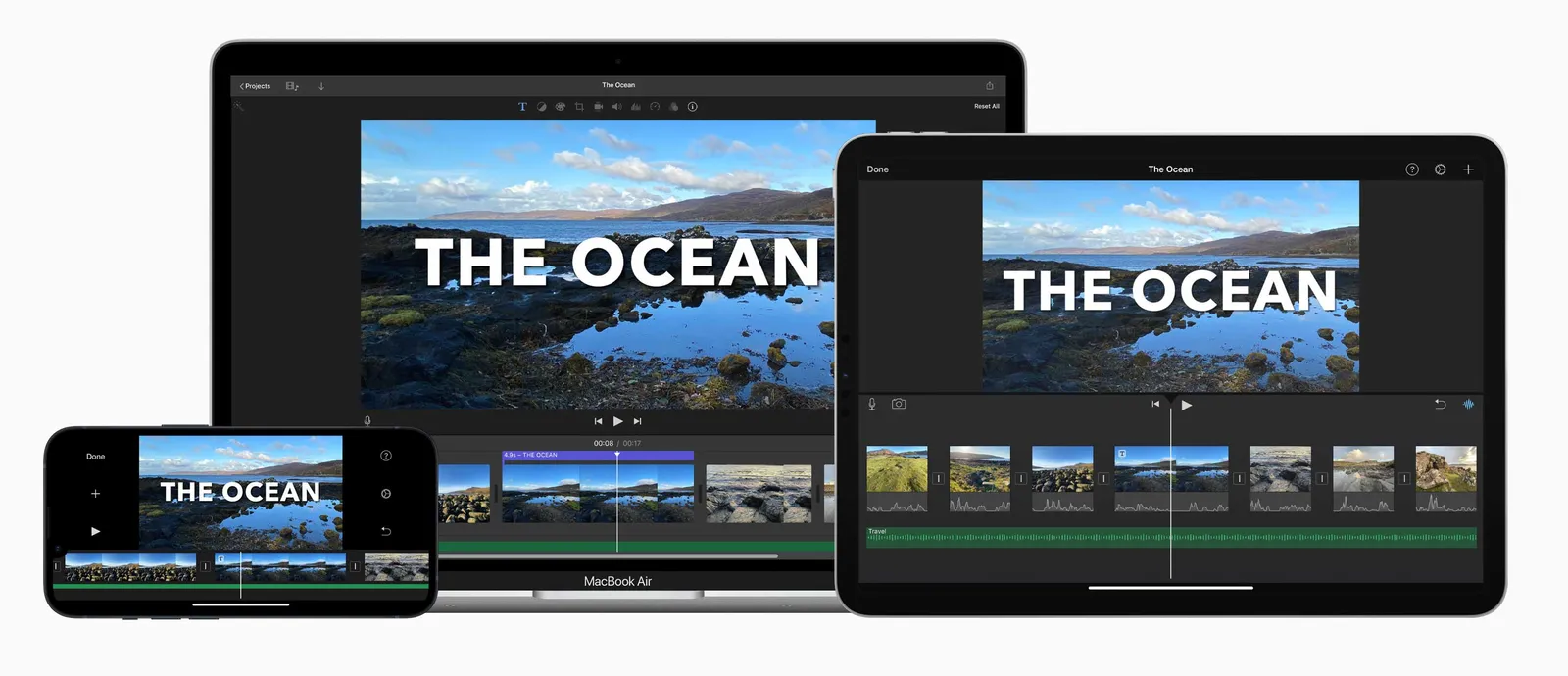
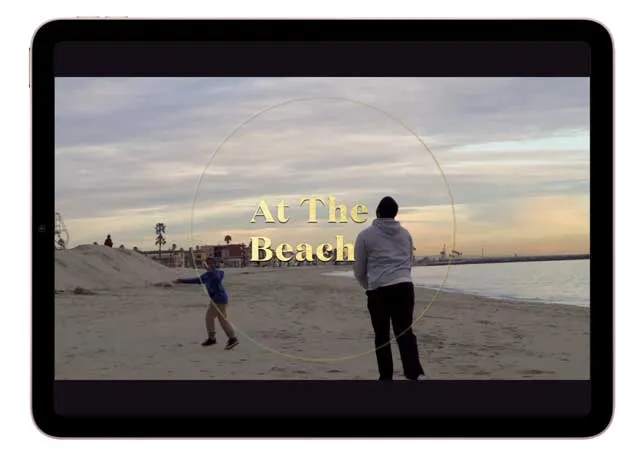
It handles 4K video, Cinematic mode footage, picture-in-picture, split screen, green screen, stabilization, speed changes, basic color adjustments, titles, transitions, sound effects, and narration. On iPhone and iPad, Magic Movie and Storyboards can help you get a first cut moving without building everything from a blank timeline.
iMovie is a good fit for:
- Family videos, travel edits, and school projects.
- Straightforward YouTube videos and tutorials.
- Quick social clips that need a clean beginning, middle, and end.
- Learning basic editing without paying for another app.
- Starting on an iPhone or iPad and finishing on a Mac.
If those are your projects, download iMovie from the Mac App Store and put the saved money toward storage, a microphone, or better lighting. Those upgrades may improve the finished video more.
Where iMovie starts to feel tight
iMovie’s simplicity is also its limit. The app is easy to understand because it gives you fewer ways to organize, adjust, and deliver a project. That feels great right up to the point where you need one of those missing choices.
You may be ready to move on when you keep fighting the same jobs:
- Finding one useful shot in hours of footage.
- Syncing and switching between several cameras.
- Separating dialogue, music, ambience, and effects for a proper mix.
- Matching color between cameras or working with log and HDR footage.
- Building reusable title, effect, and export setups.
- Making horizontal, vertical, captioned, and clean versions of one edit.
- Handing a project to another editor or finishing tool.
That does not make iMovie bad. It means the project has outgrown the tool. I’d wait for that moment instead of paying early and hoping more buttons will make the edit better.
What Final Cut Pro adds
Final Cut Pro keeps Apple’s magnetic editing approach, then adds the controls needed for bigger projects. Libraries and events help separate jobs. Keywords, favorites, and Smart Collections make footage easier to find. Roles keep dialogue, music, and effects organized without turning the timeline into a wall of tracks.
The practical upgrades include multicam editing, proxy media, multichannel audio, and Voice Isolation. You also get deeper color tools, LUT support, object tracking, HDR, XML interchange, third-party effects, and better export control. Those tools solve slow, repetitive parts of real editing work.
Apple’s current Mac release is Final Cut Pro 12.3. It adds automatic captions, Auto Mask, Match Color, and Edit Detection. Generate Captions requires an Apple silicon Mac and is currently limited to U.S. English. Apple’s release notes are the best place to check those details as the app changes.
What the editing experience feels like
iMovie keeps decisions out of the way
Import clips and drag them into the timeline. Trim, add a title or soundtrack, and share. The small toolset makes it hard to get lost. It also makes iMovie a friendly place to learn what a cut, transition, voiceover, color adjustment, and export actually do.
Final Cut Pro gives you room to build a workflow
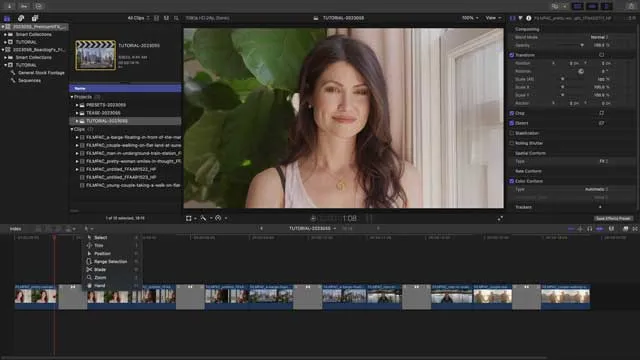
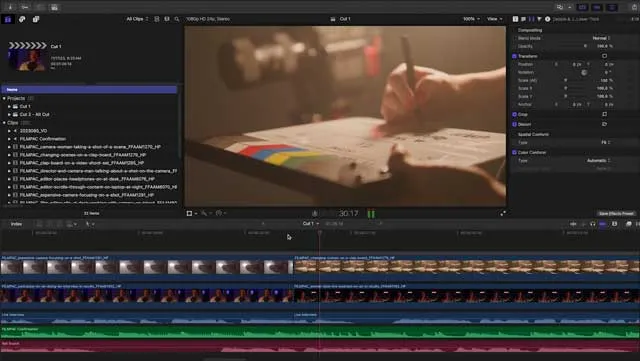
The Magnetic Timeline keeps connected material in sync. You can also work with storylines, compound clips, auditions, roles, multicam, and detailed metadata. The browser and timeline can look busier at first because they are built to handle more footage and more possible versions.
The learning curve is real, but it is not a cliff. Start with the same five jobs you already know: import, select, arrange, adjust, export. Add keywords, roles, color tools, and shortcuts only when a project calls for them.
The easiest way to decide if the upgrade is worth it
Do not compare feature pages in the abstract. Compare the software to the work sitting in front of you. I use this simple test:
- Name the problem. “I need multicam” is useful. “I want something more professional” is not.
- Count how often it happens. A ten-minute annoyance once a year does not justify much. A repeated delay on every job does.
- Price the saved time. If better organization or faster revisions saves hours of paid work, the upgrade is easy to defend.
- Try it on a real project. Use Apple’s current trial, duplicate your media, and finish something representative.
- Keep the old project safe. Make a backup before moving a library or changing your working setup.
A feature matters when it removes friction from your edit. That is a much better reason to upgrade than a cinematic demo reel.

Which app fits your kind of project?
| Project | My pick | Why |
|---|---|---|
| Family or vacation video. | iMovie. | Fast, free, and more than capable. |
| Simple talking-head YouTube video. | Start with iMovie. | Upgrade when captions, audio, or versions become a chore. |
| Podcast with several cameras. | Final Cut Pro. | Multicam and roles save real time. |
| Recurring client edits. | Final Cut Pro. | Organization, revisions, plugins, and delivery tools matter. |
| Quick iPhone social edit. | iMovie. | Simple mobile workflow with no added cost. |
| Touch-first field production. | Final Cut Pro for iPad. | External projects, Apple Pencil tools, and Live Multicam. |
If neither app matches your workflow, see my broader video editing software guide. DaVinci Resolve, Premiere Pro, and other editors solve different problems and may be a better fit.
Current price and platform details
As of this update, iMovie is free on Mac, iPhone, and iPad. It is a free App Store download; I would not plan around it being preinstalled on every Mac.
Final Cut Pro editing is available on Mac and compatible iPads, not on iPhone. Apple still offers the Mac app as a $299.99 one-time purchase. Final Cut Pro for Mac and iPad is also included with Apple Creator Studio, currently $12.99 per month or $129 per year after a 30-day trial.
The one-time purchase is attractive if you need Final Cut Pro on a Mac and expect to keep it for years. Creator Studio makes more sense if you also want the iPad app or the other included creative tools. Check Apple’s Final Cut Pro page and current Creator Studio plans before deciding.
Current minimums worth checking
- iMovie for Mac: macOS 15.6 or later and 4GB of memory.
- Final Cut Pro for Mac: macOS 15.6 or later and 8GB of memory; Apple recommends 16GB.
- Final Cut Pro for iPad: iPadOS 18.6 or later on a supported iPad.
Some newer Final Cut Pro features require Apple silicon even though the Mac app can still run on compatible Intel models. Confirm your exact hardware on Apple’s pages before paying.
A sensible upgrade path
Start the next edit in iMovie. If you finish without fighting the app, you made the right choice. If you hit a specific limit, duplicate the project and open it in Final Cut Pro. Apple supports that handoff from iMovie projects made on Mac, iPhone, and iPad.
That path lets you learn on real work and keeps the purchase tied to a problem you understand. It also means you do not have to rebuild your editing habits all at once. Apple’s iMovie support page is a useful starting point if the free app already covers what you need.
Frequently asked questions
Is iMovie good enough for YouTube?
Yes. iMovie is plenty for straightforward YouTube videos with clean cuts, music, voiceover, titles, picture-in-picture, and basic color work. Upgrade when organization, captions, audio, multicam, effects, or several versions of the same video start slowing you down.
Is Final Cut Pro much harder to learn than iMovie?
There is more to learn, but the jump is manageable. The basic jobs are still importing clips, making selections, arranging a timeline, adjusting sound and color, and exporting. Libraries, roles, effects, and delivery options are the parts that take extra time.
Can I move an iMovie project into Final Cut Pro?
Yes. Apple supports opening iMovie projects in Final Cut Pro. You can start free and move a real project over when you need more control.
Can I use Final Cut Pro on an iPhone?
Final Cut Pro editing runs on Mac and compatible iPads, not iPhone. Apple's free Final Cut Camera app can turn an iPhone into a capture device for a Final Cut Pro for iPad workflow.
Does Final Cut Pro create captions automatically?
Final Cut Pro 12.3 can generate captions on Apple silicon Macs. Apple currently lists the feature as U.S. English only. iMovie can display titles, but it does not offer the same automatic caption workflow.
Should I buy Final Cut Pro once or subscribe to Creator Studio?
The one-time Mac purchase makes sense if Final Cut Pro is the only app you need and you plan to keep using it. Creator Studio is the better fit when you also want Final Cut Pro for iPad or the other included creative apps. Check Apple's current plans before choosing.
The bottom line
iMovie is the right first choice for most new and occasional editors. Final Cut Pro is the better working tool when your footage, deadlines, or deliverables have become more complicated. Stay with the simple app while it stays simple. Upgrade when you can name the time or frustration the bigger tool will save.
Sources and last check
I checked these Apple pages on July 29, 2026:

About the Author
Joseph Nilo has been working professionally in all aspects of audio and video production for over twenty years. His day-to-day work finds him working as a video editor, 2D and 3D motion graphics designer, voiceover artist and audio engineer, and colorist for corporate projects and feature films.
iMovie Related Posts
What is iMovie? The Ultimate Reference Guide
Creating Amazing Home Videos with iMovie
Editing Vlogs with iMovie: Tips and Techniques
Mastering Social Media Videos: iMovie for Instagram and TikTok
Common Issues in iMovie and How to Fix Them
Exploring the Evolution of iMovie in the Apple Ecosystem
Tips for Professional Editing in iMovie: Taking Your Skills to the Next Level
Final Cut Pro Related Posts
How to Create a Seamless Transition in Final Cut Pro
Mastering the Essentials: A Beginner's Guide to Final Cut Pro Keyboard Shortcuts
Optimizing Performance in Final Cut Pro
How to Work With iPhone HDR Footage in Final Cut Pro
All About the Final Cut Pro Student Discount
Video Editing Related Posts
Adobe Creative Cloud for Video Editing
Top 10 Video Editing Software for Mac
The Benefits of Dual-Monitor Setups for Video Editing
How to Choose the Right Video Editing Monitor for Your Needs
Best Monitors for Video Editing
(Almost) 50 Mistakes Every New Video Producer Makes
Breakthrough AI Tools: Elevate Your Video Production Game!
Find the Best Export Settings for YouTube Videos Now!
Your Guide on Where To Find Video Editor Remote Jobs
Adobe video workflow guides