

iMovie can make cleaner, more professional-looking videos when you treat it like a simple story editor instead of a box of effects. The key is to tighten the cut first, then use overlays, audio, color, titles, and export settings only where they make the viewer's job easier.
Quick Answer
Updated June 2, 2026: The best professional iMovie tip is to keep the project simple: make a clean rough cut, remove weak moments, fix audio, use titles sparingly, and export a version you can watch away from the timeline.
The practical order
First: cut the story until every shot earns its place.
Second: clean up sound, pacing, and transitions before adding effects.
Third: use iMovie's overlay, color, title, and export tools only when they support the message.
If iMovie starts to feel cramped, compare iMovie vs Final Cut Pro and the newer How to Learn Final Cut Pro guide before upgrading.
Edit the Story First
Most beginner iMovie edits look amateur because they keep too much footage. Professional editing starts by cutting anything that does not move the story, explanation, or feeling forward.
Build a rough cut with only the best moments. Then watch it once without touching the mouse or trackpad and write down where your attention drops.
Fix those weak spots before working on color, overlays, or titles. A clean edit with simple visuals is stronger than a cluttered edit full of tricks.
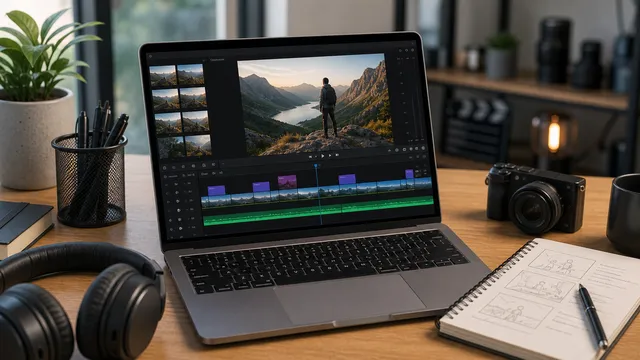
Use Precision Tools Carefully
iMovie gives you enough trimming control for many creator, school, and personal projects. Use trim handles, split clips, clip speed, crop, stabilization, and transition timing to make each cut feel intentional.
Do not overuse transitions. A straight cut is usually cleaner than a decorative transition unless the transition communicates time, location, or a meaningful change in the story.
If you spend more time fighting the timeline than making editing decisions, that is a sign you may be ready for Final Cut Pro's deeper timeline and organization tools.
Overlays and Green Screen
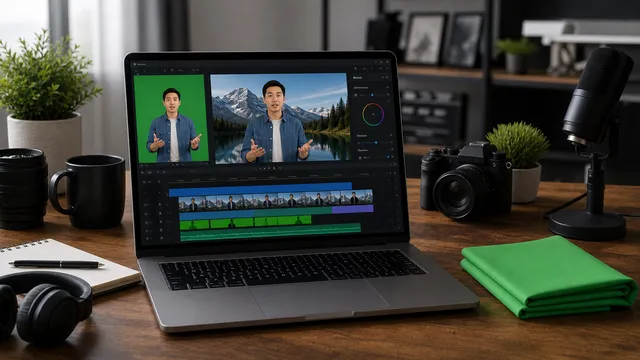
Apple's iMovie guide still documents green-screen workflows for placing a subject over another background. This can be useful for tutorials, simple explainers, and playful creator projects.
Use green-screen and picture-in-picture effects sparingly. The effect should make the explanation clearer, not call attention to the tool.
For the cleanest result, light the green background evenly, keep the subject separated from the background, and avoid green clothing or reflective objects that can confuse the key.
Audio, Color, and Titles
Audio is where many iMovie projects improve fastest. Keep dialogue clear, reduce distracting jumps between clips, and make music support the edit instead of overpowering it.
Color correction should be subtle. Match shots enough that the edit feels consistent, then stop. iMovie is not a full color-grading system, and that is fine for many projects.
Use titles for names, context, section breaks, and calls to action. Avoid filling the screen with text that repeats what the viewer can already hear or see.
Export and Review
Apple's iMovie guide covers sharing and exporting finished projects. Treat export as part of editing, because you will catch problems only after watching the video like a viewer.
Export the project, play it on another screen, and listen through normal speakers or headphones. Look for audio jumps, awkward title timing, weak cuts, and moments where the video feels slower than it did in the timeline.
If the video is heading to YouTube, use the YouTube bitrate settings guide after you finish the edit.
When to Move to Final Cut Pro
iMovie is a good starting point, but it becomes limiting when you need better media organization, roles, multicam workflows, deeper color tools, more precise timeline control, third-party plug-ins, or repeat client revisions.
Move to Final Cut Pro when the project complexity justifies it. Do not upgrade just because one iMovie edit feels hard; upgrade when the same limits slow you down on multiple projects.
If you are ready to explore that path, read the current Final Cut Pro student discount guide and Final Cut Pro for iPad workflow guide.
Sources Checked
This refresh checked Apple's current iMovie User Guide for Mac, Apple's iMovie green-screen guide, Apple's iMovie export guide, and Apple's iMovie overview page.
iMovie Editing Tips FAQ
Can iMovie make professional-looking videos?
Yes, if the project is simple and well-edited. Clean pacing, clear audio, restrained titles, and careful export matter more than advanced effects.
What is the best iMovie editing tip for beginners?
Cut the story first. Remove weak moments before adjusting color, titles, overlays, or transitions.
Is iMovie good enough for YouTube?
Yes for many YouTube videos, especially talking-head clips, simple tutorials, family videos, and short creator projects. More complex channels may eventually need Final Cut Pro or another full editor.
When should I upgrade from iMovie to Final Cut Pro?
Upgrade when you repeatedly need better organization, timeline control, color tools, multicam editing, plug-ins, or client revision workflows.
Should I use green screen in iMovie?
Use it when it supports the explanation or story. Plan the shot carefully, light the green background evenly, and avoid making the effect the point of the video.
About the Author
Joseph Nilo is a video editor, motion designer, and creator-focused educator who works across iMovie, Final Cut Pro, Premiere Pro, After Effects, and practical creator workflows.