
Movavi Video Editor is best for people who want to cut a clean video quickly without learning a full professional editing system first. The fastest path is to keep the project simple: import, trim, arrange, improve audio, add only necessary titles, then export for the platform where the video will actually live.
Quick Answer
Updated June 2, 2026: Start with Movavi if your goal is a YouTube video, course lesson, family video, social clip, screen-recording edit, or simple client proof. It is not the tool I would choose for deep color grading, multi-editor collaboration, heavy broadcast work, or a long documentary with hundreds of organized assets.
| Use case | Movavi fit | Why |
|---|---|---|
| Beginner YouTube videos | Good | Simple trimming, titles, transitions, and export presets are enough for many starter channels. |
| Family and event videos | Good | The workflow is fast and forgiving when you do not need complex media management. |
| Courses and tutorials | Good for short lessons | Screen recordings, voice cleanup, and simple callouts are usually the core need. |
| Professional client work | Limited | Move to Final Cut Pro, Premiere Pro, or DaVinci Resolve when turnover, shared timelines, or advanced finishing matter. |
Who Movavi Fits
Movavi is a practical first editor when you want the software to stay out of the way. The interface is closer to a guided consumer/prosumer workflow than to a deep post-production environment.
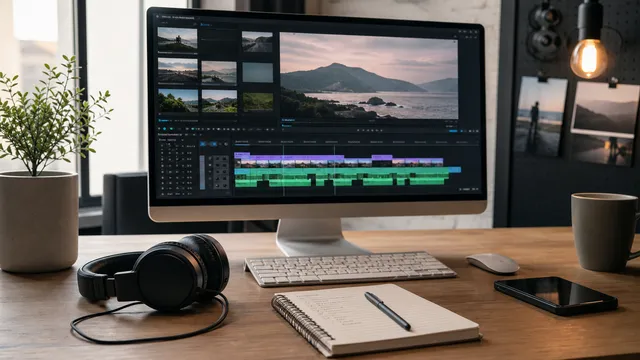
If you already know that you need custom keyboard-heavy trimming, multicam, advanced color management, proxy workflows, or shared projects, use a pro editor from the start. If you need to finish a clean video this week, Movavi can be the shorter path.
Your First Project Workflow
Do not begin by browsing every effect. Make one folder for the project, put your camera clips, voiceover, music, and graphics in it, then import only what you need.
- Create a project and set the aspect ratio for the final destination.
- Import your footage and remove obvious mistakes before building the full timeline.
- Lay down the main story first: intro, useful middle, ending, and call to action.
- Add B-roll only where it clarifies the point or hides a necessary cut.
- Fix audio before adding titles or transitions.
- Export a short test before rendering the full video.
That order prevents the usual beginner trap: spending an hour on transitions before the actual video structure works.
Editing Basics That Matter
The three beginner skills that change the result fastest are trimming, pacing, and audio consistency. If a clip does not move the video forward, cut it. If a pause feels longer than it did when you recorded it, shorten it.
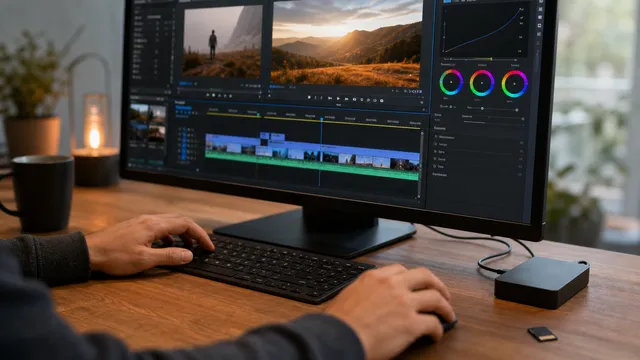
Use transitions sparingly. A straight cut, a short dissolve, or a simple fade is usually cleaner than a flashy animated transition. The goal is for the viewer to follow the idea, not notice the template.
Audio, Titles, and Effects
Bad audio makes beginner edits feel amateur faster than imperfect color. Normalize voice levels, reduce obvious noise, and keep music below speech instead of competing with it.
Titles should explain what the viewer needs in the moment: names, steps, short labels, or chapter markers. Avoid filling the screen with animated text unless the video is designed around that style.
For more advanced Movavi techniques, see the related guides on practical Movavi techniques, cleaner transitions, and audio editing in Movavi.
Exporting Without Surprises
Export settings should match the destination. A simple 1080p H.264 export is still a sensible default for many web videos, while 4K exports should be used when the source footage and platform justify the larger file.
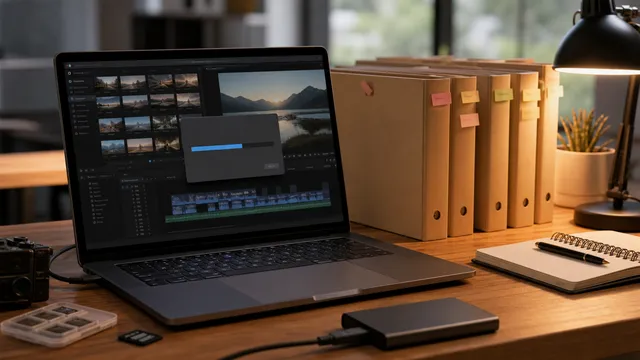
Always watch at least the first 30 seconds, one middle section, and the ending after export. That quick check catches missing music, title typos, accidental black frames, and incorrect aspect ratios before the upload.
When to Move Beyond Movavi
Move to Final Cut Pro, Premiere Pro or Final Cut Pro, or DaVinci Resolve when you need pro media organization, heavy color work, multicam editing, collaborative workflows, or complex delivery requirements.
If you are still learning the fundamentals, the better upgrade is usually not software. Improve your script, lighting, audio, and shot coverage first. Better source material makes every editor easier.
Sources Checked
FAQ
Is Movavi Video Editor good for beginners?
Yes. Movavi is strongest when you need a guided editing workflow for short videos, social clips, courses, and basic YouTube projects.
Can Movavi replace Premiere Pro or Final Cut Pro?
Not for demanding professional workflows. It can replace a pro editor for simple projects, but it is not the same category for advanced finishing, collaboration, or large project management.
What should I learn first in Movavi?
Learn trimming, timeline organization, audio cleanup, simple titles, and export settings before spending much time on effects.
About the Author
Joseph Nilo is a video editor, creator, and production educator who has worked across beginner-friendly editing tools, Final Cut Pro, Premiere Pro, audio production, and creator workflows.