

| Quick answer | Adobe Creative Cloud Libraries are shared asset collections for logos, colors, graphics, character styles, templates, and approved creative assets that you want available across Adobe apps. |
|---|---|
| Best for | Brand systems, YouTube channel assets, client campaigns, design handoffs, recurring social graphics, motion packages, and teams that reuse the same creative elements. |
| Skip if | You only need normal file storage. Libraries are for reusable creative assets inside Adobe workflows, not a replacement for Dropbox, Google Drive, or a full DAM. |
| Main rule | Use Libraries for approved reusable assets, not every draft file in a project. |
Updated June 2026: Adobe continues to describe Creative Cloud Libraries as a way to organize, access, and share design assets across Adobe apps, including reusable elements like logos, colors, graphics, styles, and approved creative assets.
Adobe Creative Cloud Libraries are one of the easiest ways to keep Adobe projects consistent across apps, computers, and collaborators.
Instead of hunting for the latest logo, color swatch, title graphic, or approved image, you save it to a library and reuse it from supported Adobe apps.
That matters for creators and marketers because consistency is usually where a good design system either saves time or falls apart.
This page may include affiliate links.
I only recommend software I would seriously evaluate for real creator or production workflows.
⭐⭐⭐⭐⭐
I pay for Adobe Creative Cloud and have used it every day in my 20-year career as a video editor, producer, and colorist.
Use the Adobe link below to check the current Creative Cloud offer. It can support this site and helps me keep these guides updated. Check current Adobe Creative Cloud offer.
Get Adobe Creative Cloud Now!Before you build shared Libraries: choose the right Adobe plan
If Creative Cloud Libraries are part of a team workflow, confirm the plan before you standardize folders, brand assets, and app access. For editors, start with the current Adobe Premiere Pro pricing. If the same library needs Photoshop, Illustrator, After Effects, Adobe Express, Acrobat, or team collaboration features, compare the broader Creative Cloud pricing and plans first.
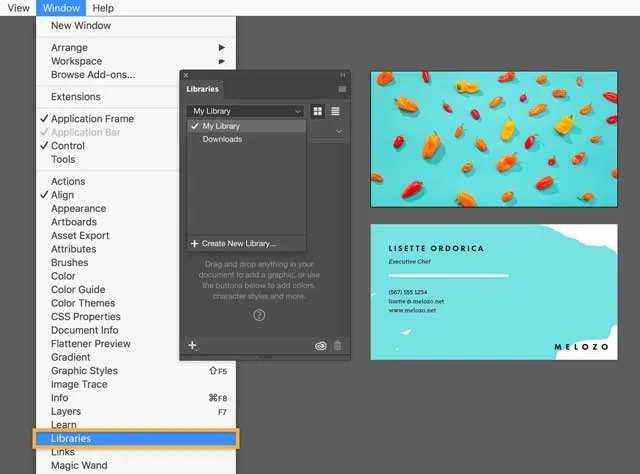
What Creative Cloud Libraries Are
Adobe describes Creative Cloud Libraries as a way to organize, access, and share design assets across Adobe apps. A library can contain project-specific assets such as colors, graphics, character styles, logos, and approved imagery.
The practical value is simple: Libraries put reusable assets inside the tools where you actually work. Photoshop, Illustrator, InDesign, Premiere Pro, After Effects, Adobe Express, and other Adobe apps can all participate depending on the asset and workflow.
What Should You Save in a Library?
Save items that need to be reused, approved, or kept consistent. Do not turn Libraries into a dumping ground for every screenshot and half-finished comp.
- Brand elements: logos, marks, icons, patterns, and approved graphics.
- Color systems: brand palettes, campaign palettes, and recurring color treatments.
- Typography: character styles and reusable type treatments where supported.
- Video assets: title graphics, lower-third pieces, channel marks, and recurring campaign elements.
- Stock and campaign images: approved images that multiple projects need to reference.
Adobe notes that a library can contain up to 10,000 assets, but good library hygiene is still important. Smaller, named libraries are easier to use than one massive catch-all library.

A Practical Creative Cloud Libraries Workflow
Start with one library per brand, client, channel, or recurring content series. Then add only the assets that should be reused.
- Create a new library with a clear name, such as Brand - YouTube or Client - Spring Campaign.
- Add the current logo, color palette, key graphics, and approved image assets.
- Group related assets so people can scan the library quickly.
- Share the library with the people who need view or edit access.
- Review the library after a campaign ends and archive old assets.
| Workflow | Useful library assets | Best Adobe apps |
|---|---|---|
| YouTube channel | Logo, thumbnail shapes, title graphics, colors, lower-thirds | Premiere Pro, After Effects, Photoshop, Illustrator |
| Client brand work | Logo files, swatches, campaign images, approved graphics | Illustrator, InDesign, Photoshop, Adobe Express |
| Social content | Templates, colors, icons, recurring product images | Adobe Express, Photoshop, Illustrator |
| Motion graphics | Marks, palettes, references, approved graphics | After Effects, Premiere Pro, Illustrator |
For production work, decide who is allowed to edit the library. View-only access is useful when you want a contractor to use approved assets without changing the source set.
Using Libraries in Premiere Pro and After Effects
Creative Cloud Libraries are especially useful for video teams that reuse branded assets. A recurring lower-third, show logo, campaign graphic, or approved color palette should not live only inside one editor's project folder.
Adobe's Premiere guidance says Libraries can be accessed through the Libraries panel and synced across projects, computers, and supported apps. That makes them useful for repeatable video packages.

Limits, Sharing, and Governance
Adobe's Creative Cloud Libraries overview lists useful scale limits, including up to 10,000 assets in a library, a 1GB maximum file size for a single library element, and up to 1000 collaborators with view or edit permissions.
Those limits are generous for normal content teams, but governance still matters. Old logos, outdated campaign assets, and duplicated color sets can make a library less trustworthy.
Common Creative Cloud Libraries Mistakes
- One giant library: split assets by brand, client, project, or recurring series.
- No owner: assign someone to remove stale assets and approve changes.
- Too many editors: give edit access only to people who should change shared assets.
- Using Libraries as backup: keep master files and production archives in a real storage system.
- Ignoring naming: use clear asset names so people can tell which file is current.
Where to Go Next
If you are still setting up Adobe on a Mac, start with my Creative Cloud Mac install guide.
For app-specific workflows, read what Adobe Illustrator is for, what Premiere Pro is for, and what Media Encoder does.
Adobe's official Creative Cloud Libraries overview is the best place to verify current app support, limits, and sharing behavior.
FAQ
What are Adobe Creative Cloud Libraries used for?
They are used to store and share reusable creative assets such as logos, colors, graphics, character styles, and approved images across supported Adobe apps.
Are Creative Cloud Libraries the same as cloud storage?
No. Libraries are for reusable design assets inside Adobe workflows. They are not a full replacement for project storage or backup.
Can Premiere Pro use Creative Cloud Libraries?
Yes. Premiere Pro can access Creative Cloud Libraries through its Libraries workflow, which is useful for branded video graphics and reusable campaign assets.
How many assets can a Creative Cloud Library hold?
Adobe's overview says a library can contain up to 10,000 assets, with a maximum file size of 1GB for a single library element.
Should every team member be able to edit a library?
Usually no. Give edit access to the people responsible for maintaining approved assets, and view access to people who only need to use them.

About the Author
Joseph Nilo has been working professionally in all aspects of audio and video production for over twenty years. His day-to-day work finds him working as a video editor, 2D and 3D motion graphics designer, voiceover artist and audio engineer, and colorist for corporate projects and feature films.