
Quick answer
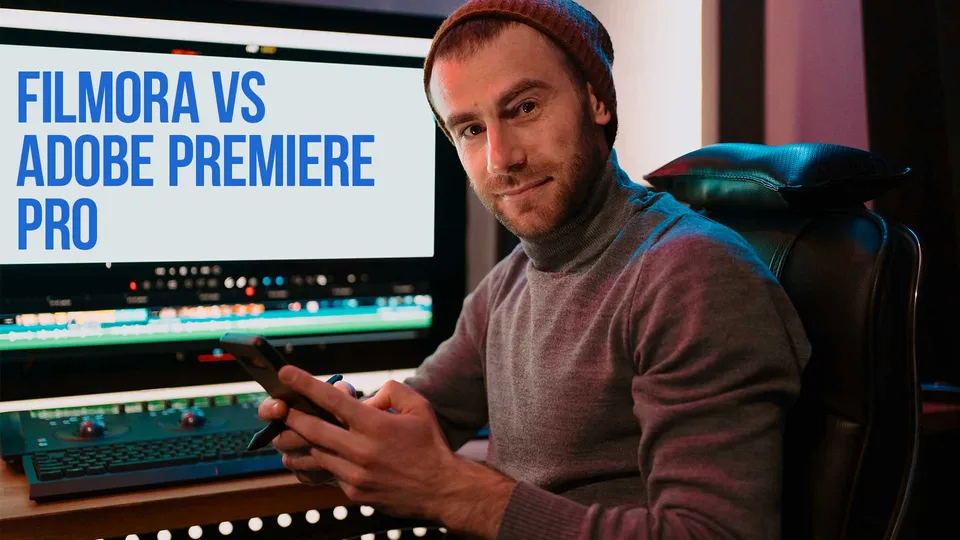
Filmora is easier for simple social edits, but Adobe Premiere Pro is the better long-term editor for serious creator and client work. Filmora is attractive when you want templates, AI shortcuts, and a lower annual price. Premiere Pro wins when the job needs stronger timeline control, audio, color, captions, plugins, Frame.io review, and a workflow that can expand into After Effects, Audition, Photoshop, and Media Encoder.
For most paid video work, start with Adobe Premiere Pro unless the project is intentionally lightweight.
Affiliate disclosure: This Filmora link may earn a commission if you buy through it, at no extra cost to you.
If Filmora sounds like the right fit, check the current plan terms before comparing it against a Premiere Pro subscription.
Check current Filmora pricingFilmora vs Adobe Premiere Pro: Quick Comparison
Filmora and Adobe Premiere Pro are both capable video editors, but they are built for different levels of pressure. Filmora is designed to help beginners and fast-turnaround creators finish attractive videos quickly. Premiere Pro is designed for editors who need a deeper professional workflow and room to grow.
| Category | Filmora | Adobe Premiere Pro |
|---|---|---|
| Best fit | Beginners, casual creators, template-heavy videos | YouTubers, client editors, agencies, production teams |
| Learning curve | Easier | Steeper, but more scalable |
| Editing depth | Good for straightforward edits | Professional timeline, color, audio, captions, multicam, plugins |
| AI and templates | Many creator-facing AI shortcuts and asset packs | Adobe Firefly features, text-based editing, generative extend, pro workflow integration |
| Collaboration | Mostly solo creator oriented | Stronger review and team workflow through Creative Cloud and Frame.io |
| Upgrade path | Stays mostly inside Filmora/Wondershare | Connects to After Effects, Audition, Photoshop, Media Encoder, Express, and Stock |
Pricing and Plan Differences
Filmora usually looks cheaper at first glance. Wondershare lists annual, cross-platform, and perpetual Filmora options, with pricing and included AI credits varying by promotion, region, and platform. That makes it important to check the current checkout page before assuming a one-time Filmora purchase covers every future major version or every add-on.
Adobe Premiere Pro is a subscription product. Adobe lists Premiere Pro for individuals at US$22.99/month on the annual, billed monthly plan. The broader Creative Cloud Pro plan costs more, but it can make sense if you also need After Effects, Photoshop, Audition, Media Encoder, Adobe Express Premium, Frame.io for Creative Cloud, or Adobe Stock workflows.
The practical question is not only monthly cost. Ask whether the editor can support the work you expect to take on over the next year: longer YouTube videos, paid client revisions, brand review, captioning, audio cleanup, motion graphics, batch exports, and handoff to collaborators.
Editing Workflow and Professional Control
Filmora is strongest when you want to move fast: import clips, add a template, apply a transition, clean up audio, and export for social channels. That is enough for many creators.
Premiere Pro becomes the better choice when the edit needs more control. It handles longer timelines, professional keyboard-driven trimming, multicam edits, Lumetri color correction, Essential Sound workflows, captioning, proxy workflows, precise exports, and plugin-based finishing. It also connects naturally to Adobe Media Encoder for batch exports and to After Effects when a project needs motion graphics or compositing.
That difference matters for client work. A simple interface is helpful on day one, but a professional workflow is what keeps revision rounds, deliverables, and future project handoffs from becoming painful.
AI Tools, Effects, and Assets
Filmora has leaned hard into creator-friendly AI tools such as denoise, voice enhancement, object removal, portrait cutout, smart masking, AI thumbnails, AI translation, and other template-driven shortcuts. These can be useful when speed matters more than deep control.
Premiere Pro is not trying to be a one-click template app. Its AI value is more workflow oriented: text-based editing, speech and caption features, Firefly-powered video tools such as Generative Extend, and integration with other Adobe apps. If the edit will move between video, audio, design, review, and delivery, Premiere Pro is usually the stronger hub.
Who Should Use Filmora?
Choose Filmora if you are editing casual social videos, family projects, quick YouTube Shorts, simple tutorials, or template-heavy creator content and you value speed over professional control. It is also a reasonable first editor if you are not sure whether video editing will become regular paid work.
Before buying, check the current Filmora plan carefully. Look at renewal terms, what is included in the perpetual license, whether future major versions are included, how AI credits work, and whether the asset or add-on you want is included or billed separately.
Who Should Use Adobe Premiere Pro?
Choose Premiere Pro if you are building a serious YouTube channel, editing for clients, working with a team, delivering multiple exports, using external audio or motion graphics tools, or planning to grow into a broader Adobe Creative Cloud workflow.
Premiere Pro takes longer to learn, but that learning carries forward. Once you understand the timeline, keyboard shortcuts, proxies, audio, color, captions, and exports, you are working inside the same ecosystem used across many professional creator and production workflows.
Related Adobe guides: Best Adobe Plan for YouTubers, Adobe Premiere Pro Cost, Adobe Creative Cloud for Video Editing, and Mastering Adobe Media Encoder.
Filmora vs Adobe Premiere Pro FAQ
Is Filmora enough for YouTube?
Yes, Filmora can be enough for simple YouTube videos, Shorts, and template-driven content. Premiere Pro is the better choice when the channel needs long-form editing, brand polish, paid sponsorship deliverables, better captions, stronger audio, or a repeatable workflow.
Is Premiere Pro too hard for beginners?
Premiere Pro has a steeper learning curve, but beginners do not need to learn everything at once. Start with import, cutting, trimming, audio levels, captions, and export. Add color, proxies, multicam, and After Effects only when your projects require them.
Which editor is better for client work?
Premiere Pro is usually better for client work because it has deeper editing control, better handoff options, stronger ecosystem support, and a more professional revision workflow.

About the Author
Joseph Nilo has been working professionally in all aspects of audio and video production for over twenty years. His day-to-day work finds him working as a video editor, 2D and 3D motion graphics designer, voiceover artist and audio engineer, and colorist for corporate projects and feature films.